
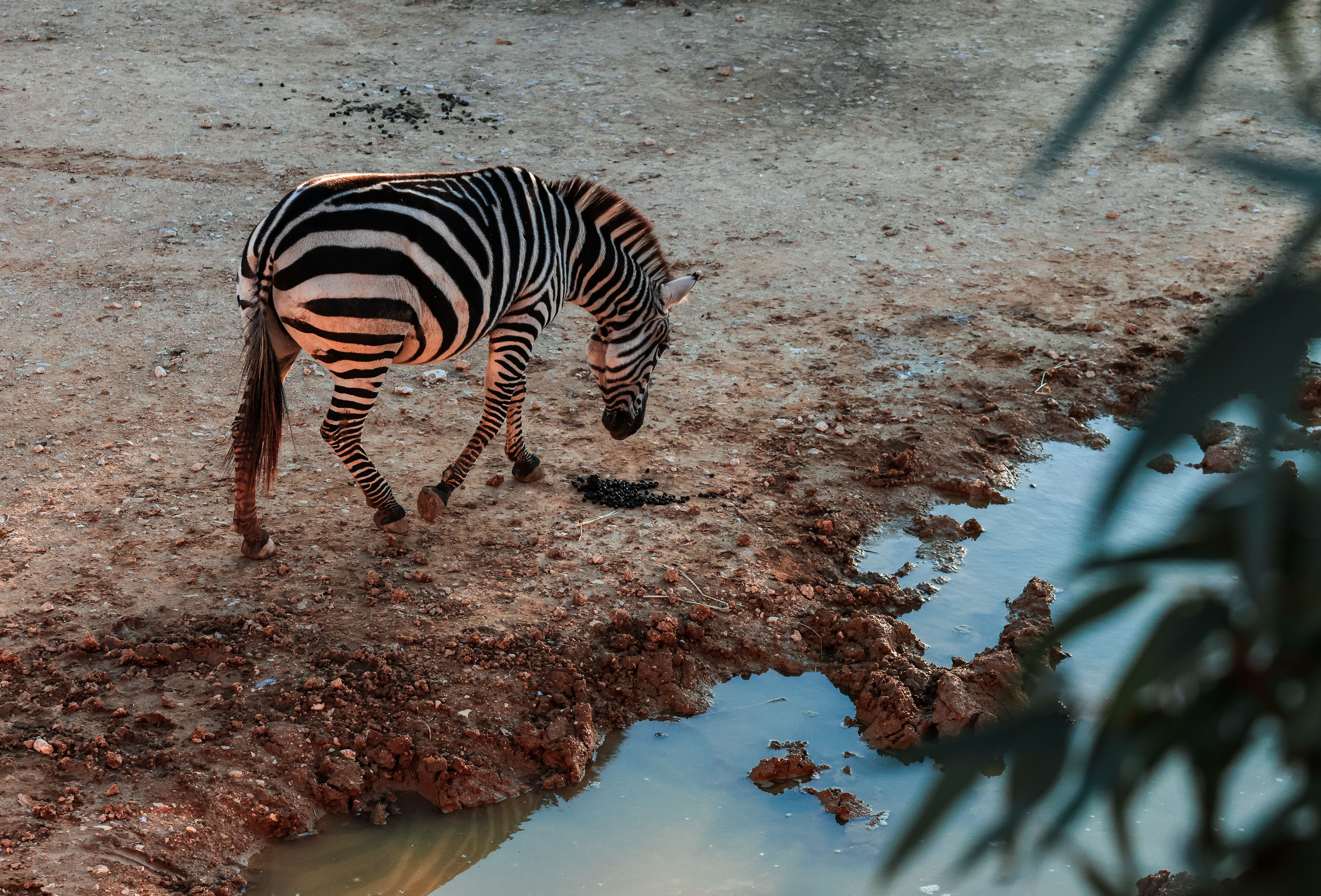
Explore the cutting-edge of wildlife photography in 2026, from revolutionary AI editing software and advanced mirrorless cameras to sustainable photo tours. Discover how to capture breathtaking animal portraits ethically, compare top gear, and find the best wildlife photography workshops and safari packages to elevate your craft and maximize your impact.
Introduction to the Topic
The untamed beauty of the natural world has always captivated the human spirit, driving countless photographers to brave the elements in pursuit of that perfect, fleeting moment. In 2026, wildlife photography stands at a thrilling crossroads, blending groundbreaking technological advancements with an ever-increasing emphasis on ethical practices and sustainable engagement. Gone are the days when a sharp lens and quick reflexes were your only companions; today, AI-powered cameras, sophisticated editing software, and a global consciousness for conservation are reshaping how we interact with and document wildlife. This comprehensive guide from roartigers.com will navigate the exciting landscape of modern wildlife photography, helping you harness the power of innovation while upholding the integrity of the wild.
Whether you're a seasoned pro looking to upgrade your kit or an aspiring enthusiast dreaming of your first safari, understanding the trends of 2026 is crucial. We'll delve into the gear that gives you the edge, the software that refines your vision, and the responsible practices that ensure your passion contributes positively to the ecosystems you photograph. Prepare to unlock new creative possibilities, make informed purchasing decisions, and embark on unforgettable, ethical wildlife adventures that truly resonate with the spirit of conservation.
Backgrounds & Facts
The last few years have seen an exponential leap in photographic technology, directly impacting the wildlife niche. Mirrorless camera systems, once niche, now dominate the professional market, offering unparalleled autofocus speeds, incredible low-light performance, and silent shooting capabilities – essential for not disturbing sensitive subjects. We're talking about frame rates that capture every wingbeat and eye movement, and in-body image stabilization that makes hand-holding long telephoto lenses more feasible than ever.
Beyond the camera body, Artificial Intelligence (AI) has become the silent partner in every photographer's workflow. AI-powered denoising can rescue images shot in challenging conditions, while intelligent masking and selection tools in editing software drastically cut down post-processing time. Generative AI is even starting to offer innovative solutions for background manipulation or object removal, though its ethical use in documentary wildlife photography remains a hotly debated topic within the community.
Parallel to these technological shifts, the conversation around ethical wildlife photography has intensified. With increasing accessibility to remote locations, concerns about animal disturbance, baiting practices, and the environmental footprint of tourism have become paramount. Conservation photography, once a specialized field, is now an integral mindset for any responsible wildlife photographer. Reputable tour operators and photographers are prioritizing animal welfare, sustainable practices, and community engagement, moving away from exploitative models. The demand for certified ethical wildlife tours and workshops, which prioritize minimal impact and educational experiences, has skyrocketed, reflecting a more conscious consumer base.
Furthermore, the rise of specialized drones, while still subject to strict regulations in wildlife areas, offers unique perspectives, particularly for capturing landscapes and animal migrations from a respectful distance, provided they are operated by licensed and experienced pilots adhering to strict codes of conduct. The convergence of these factors defines the modern wildlife photographer's journey: a blend of cutting-edge tools, refined skills, and an unwavering commitment to the natural world.
Expert Opinion / Analysis
“In 2026, the camera isn't just a tool; it's an intelligent collaborator,” states Dr. Anya Sharma, lead conservation photographer for the WildLens Foundation. “The advancements in AI-driven autofocus, particularly subject recognition for birds and mammals, mean photographers can focus more on composition and anticipating behavior, rather than battling with their gear. This frees up mental bandwidth to truly connect with the subject.” Dr. Sharma emphasizes, however, that while AI enhances capability, it doesn't replace the photographer's eye or ethical compass. “The most powerful image is still one that tells a genuine story, captured with respect and integrity.”
Mark Chen, CEO of PixelWild AI, a leading developer of wildlife-specific editing algorithms, weighs in on the post-processing revolution. “Our latest AI models can identify and correct lens aberrations with unprecedented accuracy, intelligently denoise images without sacrificing detail, and even suggest optimal crops based on photographic principles. This significantly reduces the barrier to entry for aspiring photographers and allows seasoned pros to push their creative boundaries, turning previously unusable shots into masterpieces.” Chen cautions against over-reliance on generative AI for altering core elements of a scene, stressing that authenticity remains key for documentary and conservation purposes.
Regarding ethical tourism, award-winning safari guide and photographer, Isabella Rossi, offers her perspective: “The best wildlife photography tours in 2026 are those that prioritize the animals' well-being and local conservation efforts above all else. Look for operators with transparent policies on approach distances, group sizes, and community benefits. A great shot isn't worth disturbing an animal or harming an ecosystem. The new generation of photographers actively seeks out these ethical experiences, understanding that their booking choices directly impact conservation outcomes.” Rossi advises prospective travelers to research tour operator certifications, read reviews focusing on ethical conduct, and engage with guides who demonstrate deep knowledge and respect for the environment.
💰 Best Options in Comparison (VERY IMPORTANT)
Navigating the vast array of gear and services available can be daunting. To help you make informed decisions that align with your budget and values, we've compiled a comparison of top-tier AI-powered editing software and essential wildlife photography equipment for 2026, alongside considerations for ethical tour operators. Your investment in these tools and experiences will directly impact the quality of your work and the sustainability of your passion.
Top AI-Powered Photo Editing Software (2026 Editions)
These software solutions leverage cutting-edge AI to streamline your workflow, enhance image quality, and unlock creative possibilities. Choosing the right one depends on your existing ecosystem and specific needs.
- Luminar Neo (2026 Edition): Known for its intuitive interface and powerful creative AI tools like Sky AI, Structure AI, and the increasingly sophisticated GenAI Eraser. Excellent for photographers who want fast, impactful edits and artistic enhancements. It offers a balance between subscription and lifetime license options. Explore Luminar Neo
- Adobe Lightroom Classic (AI Pack): The industry standard for cataloging and RAW processing. Its 2026 AI pack includes advanced Denoise AI, intelligent masking for subjects and skies, and robust content-aware fill capabilities. Ideal for professionals deeply integrated into the Adobe ecosystem requiring comprehensive workflow management. Subscribe to Adobe Creative Cloud
- Topaz Photo AI (2026): A specialist in image quality restoration. If your priority is salvaging noisy, blurry, or low-resolution images, Topaz Photo AI's DeNoise AI, Sharpen AI, and Gigapixel AI are unparalleled. It's often used in conjunction with other editors for its specific strengths. Get Topaz Photo AI
Recommended Mirrorless Camera Systems for Wildlife (2026)
For serious wildlife photographers, a high-performance mirrorless camera is non-negotiable. Look for exceptional autofocus, high frame rates, robust weather sealing, and excellent low-light capabilities.
- Sony Alpha A1 II (Hypothetical 2026 Model): Building on its predecessor's legacy, expect even faster processing, enhanced AI-driven autofocus with expanded subject recognition (e.g., specific bird species), and potentially an even higher resolution stacked sensor for unparalleled detail and speed. The ultimate hybrid camera. Discover Sony Alpha
- Canon EOS R5 Mark II (Hypothetical 2026 Model): Canon's flagship likely boasts advancements in its revolutionary Dual Pixel CMOS AF, improved video capabilities, and a new generation sensor delivering cleaner high ISO performance and dynamic range. A formidable choice for both stills and video. Explore Canon EOS R
- Nikon Z9 II (Hypothetical 2026 Model): Nikon's professional powerhouse will likely refine its already stellar blackout-free viewfinder, expand its AI-powered subject detection, and potentially offer even more robust build quality and battery life, making it a workhorse for extreme environments. View Nikon Z Series
Ethical Wildlife Photography Tours & Workshops: When booking, prioritize operators certified by organizations like the Global Sustainable Tourism Council (GSTC) or those with transparent conservation partnerships. Look for small group sizes, experienced guides who prioritize animal welfare, and tours that support local communities and anti-poaching initiatives. Examples include Natural Habitat Adventures for polar bears and Wild Photo Africa for safaris (check their 2026 offerings and ethical credentials).
Here's a comparison table to help you decide:
| Feature / Product Category | AI Photo Editing Software | High-End Mirrorless Camera | Ethical Wildlife Tour Operator |
|---|---|---|---|
| Primary Benefit | Streamlines post-processing, enhances image quality, creative control. | Unmatched speed, autofocus, low-light, silent shooting. | Authentic wildlife encounters, conservation support, learning. |
| Key Considerations | AI features, workflow integration, pricing model (subscription/one-time). | Sensor size/resolution, AF system, frame rate, weather sealing, lens ecosystem. | Ethical certifications, group size, guide experience, conservation impact, itinerary. |
| Top Choices (Examples) | Luminar Neo, Adobe Lightroom, Topaz Photo AI | Sony A1 II, Canon R5 Mark II, Nikon Z9 II (Hypothetical 2026 Models) | Natural Habitat Adventures, Wild Photo Africa (verify 2026 ethics) |
| Pricing Range (Est. USD) | $99 - $249 (one-time) / $9.99 - $19.99/month (subscription) | $6,500 - $8,000+ (body only) | $5,000 - $20,000+ (per person, multi-day tour) |
| Ideal For | Photographers wanting efficient edits, creative flair, or image restoration. | Professionals & serious enthusiasts demanding peak performance. | Anyone seeking responsible, immersive wildlife experiences with photographic intent. |
| Action / Link | Compare AI Software | Shop Cameras & Lenses | Book Your Ethical Adventure |
Outlook & Trends
The future of wildlife photography in 2026 and beyond promises even more integration of smart technology. We anticipate on-camera AI becoming standard, offering real-time subject tracking improvements, smarter exposure metering, and perhaps even in-camera denoising that rivals desktop software. The line between capturing and processing will continue to blur, allowing photographers to deliver near-finished images directly from the field.
Drone technology will also evolve, with more specialized, quieter, and longer-flight-time models designed for discreet observation, though regulatory frameworks in sensitive wildlife areas will likely tighten further, emphasizing licensed and ethical operation. Expect to see more advanced stabilization and zoom capabilities on these aerial platforms.
Virtual Reality (VR) and Augmented Reality (AR) might play a larger role in training and pre-visualization. Imagine scouting a remote location virtually, understanding light angles, and planning your shots before even setting foot there. This could also extend to educational experiences, allowing broader audiences to 'experience' wildlife encounters responsibly.
Crucially, the emphasis on conservation and ethical engagement will only grow. Photographers will increasingly be seen as storytellers and advocates, with their images driving awareness and support for endangered species and habitats. The demand for transparent, carbon-neutral, and community-benefiting wildlife tourism will continue to rise, making ethical certifications and proven track records vital for tour operators. The industry is moving towards a model where every click of the shutter carries a weight of responsibility, contributing to a greater narrative of preservation.
Conclusion
Wildlife photography in 2026 is a dynamic and exhilarating pursuit, offering unprecedented tools to capture the natural world's majesty. By embracing AI-powered gear, investing in high-performance cameras and lenses, and committing to ethical practices, you can elevate your craft to new heights. Remember that the most impactful images are those captured with respect, patience, and a deep understanding of your subjects and their habitats. Whether you're upgrading your kit or planning your next adventure, choose wisely, learn continuously, and let your passion for wildlife photography be a force for good. The wild awaits your lens – capture it responsibly, creatively, and with purpose. Visit roartigers.com for more in-depth reviews and booking opportunities!