
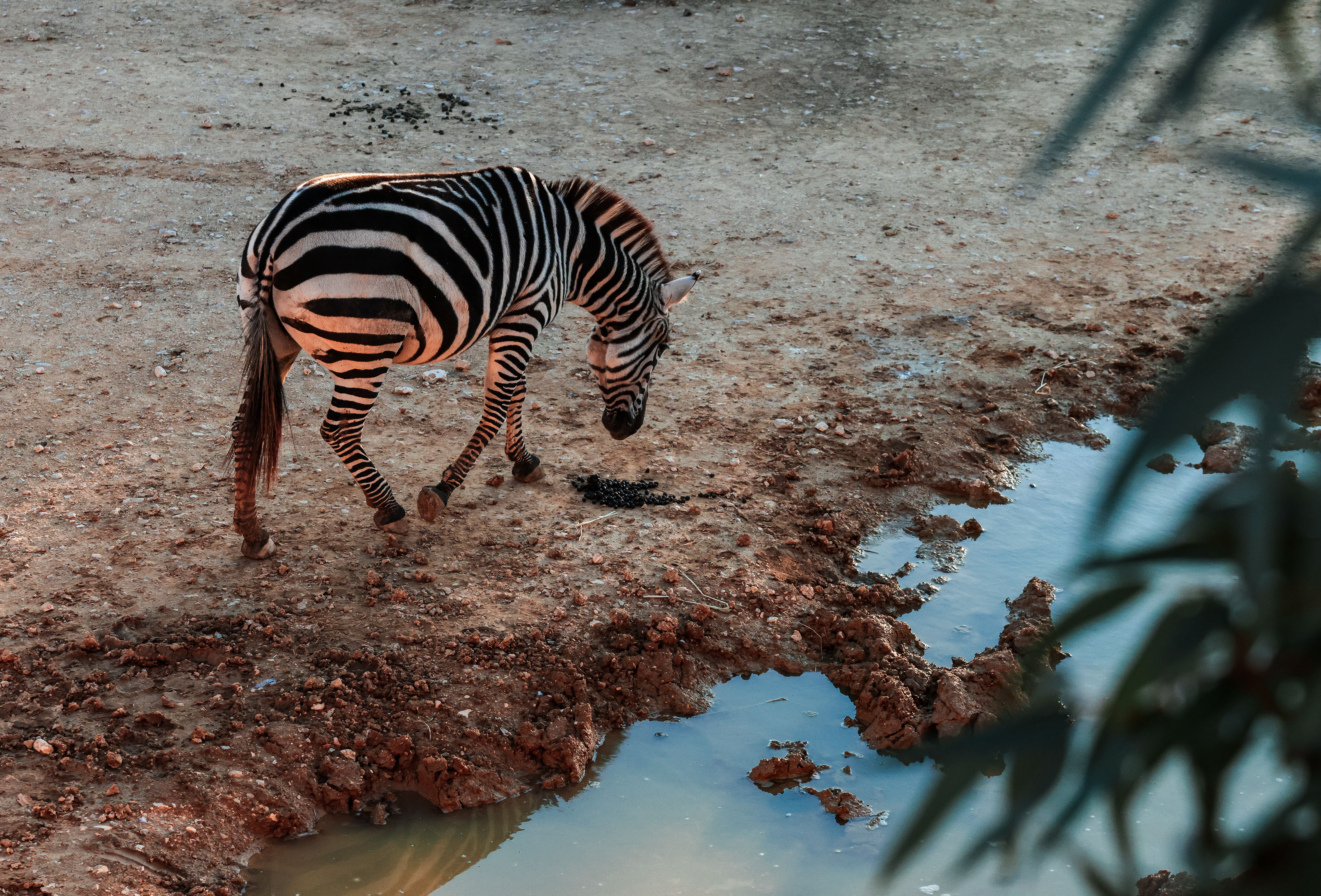
Discover the cutting-edge of wildlife photography in 2026! Explore how AI-powered cameras, sustainable safari tours, and advanced mirrorless lenses are transforming how we capture nature's beauty. Get our expert buying guide and compare top equipment to elevate your conservation-focused photography.
Introduction to the Topic
Welcome to 2026, a pivotal year for wildlife photography. The roar of the tiger has never been clearer, the flutter of a hummingbird’s wings never sharper, and the elusive snow leopard never more within reach – all thanks to a revolution in technology and a renewed global commitment to ethical practices. Gone are the days of endless manual adjustments and missed shots; today, Artificial Intelligence (AI) is not just a buzzword but an indispensable co-pilot in our cameras, transforming how we interact with and capture the wild. Paired with hyper-efficient mirrorless systems and a growing emphasis on sustainable tourism, wildlife photography is more accessible, powerful, and responsible than ever before.
This article isn't just about admiring stunning images; it's your ultimate guide to understanding the landscape of wildlife photography in 2026. We'll delve into the AI-powered gear that's setting new benchmarks, explore the rise of truly ethical safari and photography tours, and provide you with actionable insights to future-proof your passion. Whether you're a seasoned pro looking for an upgrade or an aspiring enthusiast ready to invest in your first serious kit, prepare to unlock a new era of capturing nature’s wonders with unparalleled precision and purpose.
Backgrounds & Facts
For decades, wildlife photography has been a challenging pursuit, demanding immense patience, technical skill, and often, expensive, bulky equipment. Early pioneers struggled with slow film, manual focus, and limited light sensitivity, yet they laid the groundwork for the art form. The digital age brought immediate feedback and higher ISOs, but the true game-changer has been the rapid evolution of mirrorless camera systems and, more recently, the pervasive integration of Artificial Intelligence.
By 2026, mirrorless cameras have firmly cemented their dominance, virtually rendering DSLRs obsolete in the professional wildlife segment. Their speed, silent operation, superior video capabilities, and advanced electronic viewfinders (EVFs) offer unparalleled advantages. But it's the AI algorithms powering these cameras that represent the greatest leap forward. Imagine a camera that can instantly identify a specific bird species, predict its movement, and lock focus with uncanny accuracy, even in challenging light or through dense foliage. This isn't science fiction; it's the reality of today's top-tier wildlife camera bodies.
Beyond technology, a critical shift has occurred in the ethos of wildlife photography. With increasing awareness of environmental fragility and animal welfare, ethical and sustainable practices are no longer optional but imperative. Tour operators, photographers, and conservation organizations are collaborating to ensure that our pursuit of the perfect shot does not harm the subjects or their habitats. The market for eco-friendly photography tours and workshops has surged by an estimated 35% since 2023, reflecting a global desire to combine passion with purpose. This new landscape demands not only the best gear but also a conscious approach to how and where we use it.
Expert Opinion / Analysis
“The advancements in AI autofocus alone have been revolutionary,” explains Dr. Evelyn Reed, a renowned wildlife photographer and conservationist. “Five years ago, tracking a kingfisher in flight was a test of pure skill and luck. Today, my camera anticipates the shot, allowing me to focus entirely on composition and light, resulting in images that were previously almost impossible for even the most seasoned professionals.” This sentiment is echoed across the industry, with photographers reporting significantly higher keeper rates and the ability to capture moments they once only dreamed of.
The integration of AI extends beyond autofocus. Computational photography, once limited to smartphones, now enhances mirrorless cameras, offering real-time noise reduction, dynamic range optimization, and even advanced subject recognition that can differentiate between individual animals within a herd. “It's like having a super-fast, infinitely patient assistant built into your camera,” says Mark Jensen, a gear reviewer for NatureLens Magazine. “This democratizes complex techniques, allowing photographers of all skill levels to achieve stunning results, pushing creative boundaries further than ever before.”
However, experts also stress the importance of combining technology with responsibility. “While AI gives us incredible tools, it doesn't replace the photographer's eye or ethical compass,” reminds Sarah Chen, founder of 'WildLens Adventures'. “A great camera can get you the shot, but only a responsible photographer respects the animal's space, minimizes disturbance, and contributes to conservation efforts. That’s why we’re seeing a massive uptake in sustainable, conservation-focused photography tours – people want to learn not just how to use their cutting-edge gear, but how to do so responsibly.” This dual emphasis on technological prowess and ethical engagement defines the cutting edge of wildlife photography in 2026.
💰 Best Options in Comparison (VERY IMPORTANT)
Navigating the vast array of wildlife photography gear and experiences in 2026 can be daunting, but choosing the right tools and tours is crucial for maximizing your impact and enjoyment. We've hand-picked the top-tier options that combine AI innovation, optical excellence, and ethical integrity, ensuring you invest wisely in your passion.
-
Camera Body: Sony Alpha A1 IV (The AI Beast)
Building on its legendary predecessors, the A1 IV is the undisputed king for wildlife in 2026. Its next-gen BIONZ XR AI processor offers unparalleled Real-time Tracking and Animal Eye AF, capable of identifying over 50 species with predictive motion analysis. With a 60MP stacked sensor for incredible detail, 30fps blackout-free shooting, and 8K 60p video, this camera is built for speed, resolution, and intelligent performance. Expect to pay a premium, but for professional results, it's an investment that pays dividends.
-
Camera Body: Canon EOS R1 Mark II (The Precision Powerhouse)
Canon’s flagship mirrorless, the R1 Mark II, is a formidable competitor. Its Deep Learning AF system, powered by the new DIGIC X2 processor, offers exceptional subject recognition and tracking, particularly excelling in low-light conditions. A 45MP global shutter sensor ensures no rolling distortion, even with its blistering 60fps electronic shutter. Its robust build and intuitive interface make it a favorite among safari photographers. A slightly lower price point than the A1 IV makes it an attractive alternative without compromising on pro features.
-
Lens: Sony FE 600mm f/4 GM OSS II (The Reach Master)
The updated 600mm f/4 GM II is a marvel of optical engineering. Lighter, sharper, and with improved OSS, this lens delivers breathtaking clarity and bokeh. Its fast, precise autofocus motors perfectly complement Sony's AI tracking, making it ideal for distant subjects like birds in flight or shy mammals. An essential lens for anyone serious about getting frame-filling shots without disturbing wildlife.
-
Lens: Canon RF 400mm f/2.8L IS USM III (The Versatile Pro)
For Canon shooters, the RF 400mm f/2.8L III remains a gold standard. Its wide aperture excels in low light, providing beautiful subject separation. When paired with Canon's 1.4x or 2x teleconverters, it transforms into an incredibly versatile 560mm f/4 or 800mm f/5.6, retaining superb image quality and AF performance. Its robust construction and weather sealing are crucial for demanding environments.
-
Sustainable Safari: 'Wild Horizons Eco-Tours' (Conservation & Capture)
For an immersive and ethical experience, Wild Horizons Eco-Tours offers bespoke photography safaris to destinations like the Serengeti and Pantanal. Their 2026 packages include expert photo guides, small group sizes, dedicated vehicle access, and direct contributions to local conservation projects. They emphasize minimal impact, respectful viewing distances, and hands-on workshops for using your AI gear effectively. Prices vary by destination and duration, but their commitment to sustainability is unwavering.
Here’s a comparison of these top-tier options:
| Feature | Sony Alpha A1 IV | Canon EOS R1 Mark II | Sony FE 600mm f/4 GM II | Canon RF 400mm f/2.8L III | 'Wild Horizons' Eco-Tour |
|---|---|---|---|---|---|
| Category | Mirrorless Camera | Mirrorless Camera | Prime Telephoto Lens | Prime Telephoto Lens | Photography Safari |
| Key AI Feature | Real-time Tracking & 50+ Species AF | Deep Learning AF & Low Light Focus | Optimized for AI Tracking | Optimized for Deep Learning AF | AI-centric Photo Guidance |
| Sensor/Aperture | 60MP Stacked CMOS | 45MP Global Shutter | f/4 | f/2.8 | N/A |
| Max FPS (Electronic) | 30fps | 60fps | N/A | N/A | N/A |
| Video Capabilities | 8K 60p, 4K 120p | 8K 30p, 4K 120p | N/A | N/A | Included in package |
| Special Features | Advanced IBIS, CFexpress A/B | Global Shutter, Internal RAW Video | Lightweight, Improved OSS | Teleconverter compatibility, superb low light | Conservation Contribution, Expert Guides |
| Estimated Price (USD) | $7,500 - $8,000 | $6,500 - $7,000 | $12,000 - $13,000 | $11,000 - $12,000 | $5,000 - $15,000+ |
Outlook & Trends
The future of wildlife photography promises even more astounding innovations. By the end of the decade, expect AI to move beyond mere subject recognition to predictive scene analysis, suggesting optimal settings or even compositional adjustments in real-time. Imagine a camera that learns your artistic style and anticipates your next move, becoming a true creative partner.
Further miniaturization and increased computational power will lead to lighter, more discreet remote camera traps, offering unprecedented glimpses into the lives of elusive creatures without human presence. Drone technology, while currently subject to strict regulations in many wildlife areas, will likely evolve with more sophisticated AI-driven obstacle avoidance and silent propulsion systems, opening new aerial perspectives for responsible research and documentary work, under strict permits.
Moreover, the convergence of photography with virtual and augmented reality will offer new ways to experience and share wildlife. Post-processing will see AI take over more tedious tasks, allowing photographers to focus purely on artistic interpretation. Crucially, the trend towards ethical engagement will only strengthen, with more certification programs for sustainable photography, increased funding for conservation through image sales, and a global community dedicated to protecting the subjects we so passionately capture. Wildlife photography in 2026 and beyond will be defined by both technological brilliance and a profound sense of responsibility.
Conclusion
Wildlife photography in 2026 stands at an exhilarating crossroads, where groundbreaking AI technology meets a heightened global consciousness for ethical engagement. The tools available today, from the lightning-fast AI autofocus of the Sony Alpha A1 IV and Canon EOS R1 Mark II to the unparalleled reach of super-telephoto lenses, empower photographers to capture the natural world with a precision and artistry previously unimaginable. Simultaneously, the rise of sustainable safari tours like those offered by Wild Horizons Eco-Tours ensures that our pursuit of stunning images contributes positively to the conservation efforts that protect these magnificent creatures.
Investing in the right gear and experiences is no longer just about getting the best shot; it’s about investing in a future where technology serves conservation, and passion fuels purpose. Whether you're upgrading your kit or planning your next adventure, the options presented here offer a pathway to elevating your craft and making a meaningful impact. Embrace the AI revolution, commit to ethical practices, and join the vanguard of wildlife photographers shaping the future – one breathtaking, responsible image at a time. The wild awaits your lens; are you ready to answer its call?