
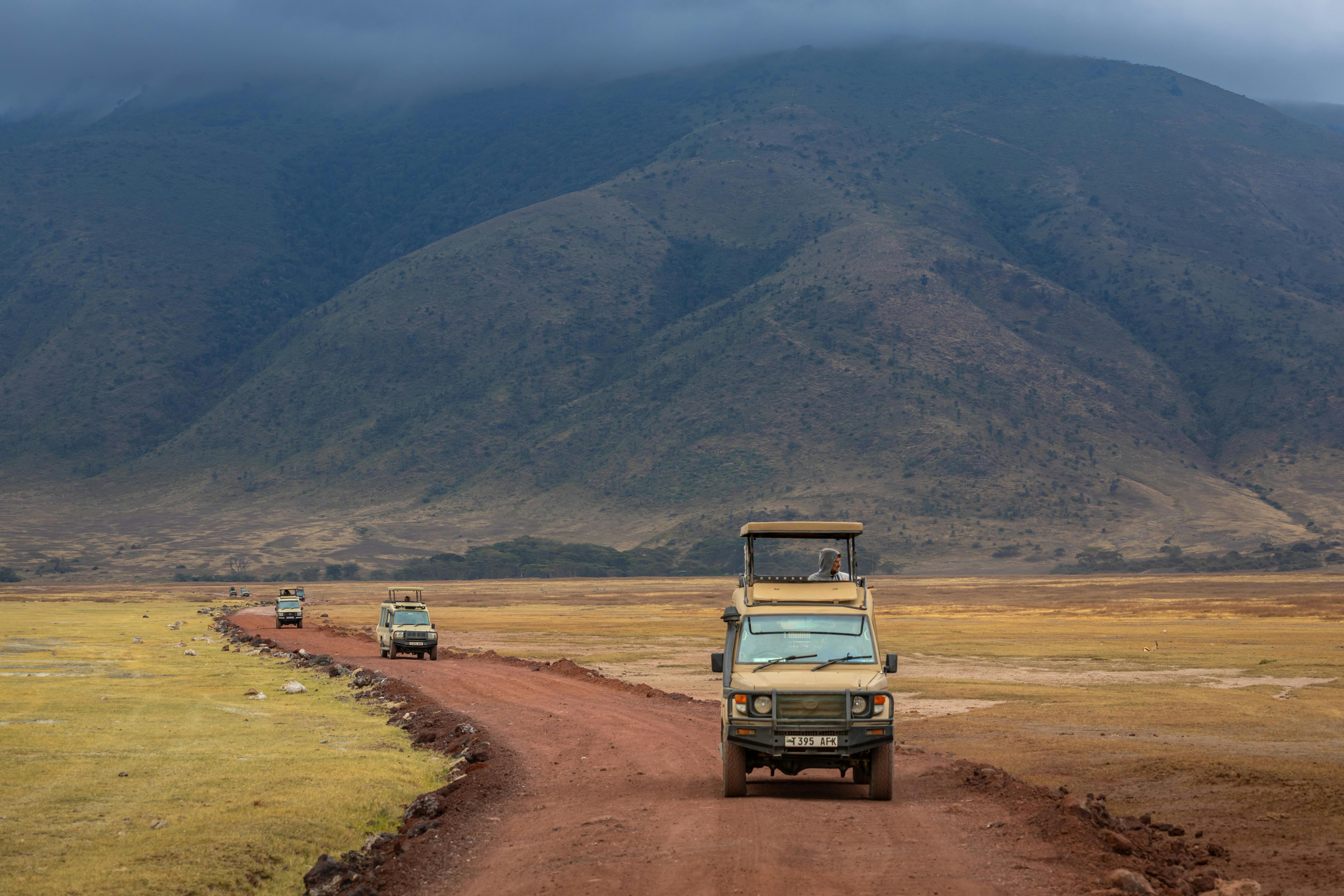
In 2026, the discerning traveler seeks more than just a glimpse of the wild; they crave a meaningful connection. Regenerative safaris are redefining luxury travel, offering unparalleled wildlife encounters while actively restoring ecosystems and empowering local communities. Discover how these transformative African safari tours are setting new standards for ethical adventure and find your perfect, impact-driven escape.
Introduction to the Topic
As we navigate 2026, the world of travel has undergone a profound transformation. The days of simply 'seeing' a destination are fading, replaced by a yearning for experiences that not only inspire but also contribute positively to the planet and its people. This shift has given rise to the most exciting trend in high-end exploration: regenerative safaris. Far exceeding the principles of traditional eco-tourism, regenerative safaris are designed to leave a place better than it was found, actively restoring ecosystems, empowering local communities, and fostering a deep, symbiotic relationship between visitors and the wilderness.
For the affluent traveler, this isn't just about sustainability; it's about purpose-driven luxury. It's about experiencing the raw majesty of Africa's iconic landscapes and incredible wildlife – from the thundering migrations of the Serengeti to the tranquil waterways of the Okavango Delta – while knowing your presence directly fuels vital conservation efforts and sustainable development. This article delves into why regenerative safaris are 2026's must-book luxury adventure, how they differ from conventional tours, and, crucially, how you can secure your place on one of these life-changing journeys.
Backgrounds & Facts
The concept of regenerative tourism builds upon, and significantly elevates, the foundations of eco-tourism. While eco-tourism aims to minimize negative impact, regenerative tourism actively seeks to create positive, lasting change. It's a proactive approach to travel, recognizing that human interaction, when thoughtfully managed, can be a powerful force for good. In the context of African safaris, this means:
- Active Ecosystem Restoration: Beyond protecting existing habitats, regenerative safaris often fund and participate in rewilding projects, reforestation, anti-poaching initiatives, and sustainable land management practices that reverse environmental degradation.
- Profound Community Empowerment: These safaris ensure that a significant portion of their revenue directly benefits local communities. This includes fair wages, training programs, support for local businesses, infrastructure development (schools, clinics), and the preservation of indigenous cultures and knowledge.
- Enhanced Wildlife Conservation: Funds are channeled directly into scientific research, species reintroduction programs, conflict mitigation efforts, and the protection of endangered animals, often involving guests in hands-on experiences with conservation teams.
- Educational Immersion: Guests gain a deeper understanding of the ecological and socio-economic challenges faced by these regions, often interacting directly with conservationists, community leaders, and local experts, transforming a vacation into an educational odyssey.
The urgency for such initiatives is underscored by sobering facts. According to recent reports, Africa's wildlife populations have declined by an average of 66% since 1970, with habitat loss and poaching being primary drivers. Simultaneously, many communities bordering protected areas struggle with poverty, leading to human-wildlife conflict and reliance on unsustainable practices. Regenerative safaris offer a viable, long-term solution, turning tourism into a powerful engine for ecological and social healing.
Expert Opinion / Analysis
“The shift from 'do no harm' to 'actively heal' is monumental,” notes Dr. Anya Sharma, lead conservation biologist at the Global Wildlife Trust. “For decades, we’ve strived to minimize our footprint. Now, with regenerative travel, we're talking about leaving a positive handprint. It’s about creating a net positive impact, where every dollar spent contributes not just to preservation, but to regeneration.”
Dr. Sharma emphasizes that this isn't merely a trend; it's an evolution driven by both necessity and a growing demand from conscious consumers. “Today's luxury traveler isn't just seeking exclusivity; they're seeking significance. They want to know their substantial investment is creating tangible, measurable good. Regenerative safari operators are setting new benchmarks for transparency, allowing guests to see precisely how their safari contributes to anti-poaching patrols, rewilding efforts, or directly supports a Maasai school.”
Furthermore, the expert analysis highlights the unique psychological benefits for travelers. “There’s an immense satisfaction in knowing your adventure is part of a larger, vital mission,” says Marcus Thorne, a bespoke travel consultant specializing in high-impact journeys. “It transforms a holiday into a legacy. Guests return not just with stunning photographs, but with a profound sense of having contributed to something truly meaningful. This emotional return on investment is what defines ultimate luxury in 2026.” The integration of local expertise, from indigenous trackers to community elders, also enriches the guest experience, offering authentic cultural exchanges that go far beyond typical tourist interactions.
💰 Best Options in Comparison (VERY IMPORTANT)
Choosing a regenerative safari requires discerning selection, as the commitment to impact varies. Here are some of the leading operators in 2026, renowned for their genuine dedication to ecological and social regeneration, offering unparalleled luxury and transformative experiences. Each offers a unique blend of adventure, comfort, and profound purpose.
-
Serengeti Legacy Safaris (Tanzania)
Focus: Direct community investment, anti-poaching, and land conservation. Serengeti Legacy Safaris partners directly with Maasai communities, ensuring that a substantial portion of your safari fee goes towards funding education, healthcare, and sustainable livestock management programs. Their private concessions border the Serengeti National Park, providing exclusive access to prime wildlife viewing areas while actively supporting local anti-poaching units and protecting critical wildlife corridors. Guests can engage in cultural exchanges, learn traditional tracking skills, and even participate in citizen science projects. Their luxury tented camps are designed with minimal environmental impact, offering exquisite comfort amidst the wild. This option is ideal for those seeking deep cultural immersion alongside iconic wildlife experiences.
-
Delta ReWild Adventures (Botswana)
Focus: Rewilding initiatives, wetland restoration, and scientific research integration in the Okavango Delta. Delta ReWild Adventures is at the forefront of restoring the Okavango's delicate ecosystem. They fund and operate reintroduction programs for species like black rhinos and wild dogs, and guests have the unique opportunity to join research teams for a day, assisting with data collection or tracking efforts. Their exclusive eco-lodges are built on raised platforms to minimize ground disturbance, powered by renewable energy, and offer unparalleled views of the delta’s rich biodiversity. Expect private boat safaris, mokoro excursions, and walking safaris led by expert naturalists, all contributing directly to the health of this UNESCO World Heritage site. Perfect for the conservation-minded traveler with a passion for scientific discovery.
-
Mountain Gorilla Guardians (Rwanda & Uganda)
Focus: Primate protection, reforestation, and local employment. Specializing in mountain gorilla trekking, Mountain Gorilla Guardians ensures that every permit purchased directly contributes to the conservation of these magnificent primates and their crucial rainforest habitats. They invest heavily in reforestation projects around Volcanoes National Park (Rwanda) and Bwindi Impenetrable Forest (Uganda), employing local communities to grow and plant native trees. Guests stay in exclusive, high-end lodges that are community-owned or directly support local employment, offering an intimate and highly ethical gorilla encounter. Beyond trekking, opportunities exist to visit local villages, support artisan cooperatives, and learn about the delicate balance between human and wildlife coexistence. This is the ultimate choice for those committed to protecting endangered species and empowering communities adjacent to their habitats.
-
Namibian Desert Rebirth (Namibia)
Focus: Ancient desert ecosystem restoration, support for San communities, and tracking desert-adapted wildlife. Namibian Desert Rebirth pioneers regenerative tourism in one of the world's oldest deserts. Their programs focus on restoring fragile arid land ecosystems, rehabilitating water sources, and supporting the traditional land management practices of the San people. Guests embark on expeditions to track desert-adapted elephants, rhinos, and lions, often accompanied by San trackers who share invaluable indigenous knowledge. Accommodation consists of remote, minimalist luxury camps designed to blend seamlessly with the stark beauty of the landscape, leaving virtually no footprint. This safari offers a truly off-the-beaten-path experience for those seeking solitude, profound cultural exchange, and a direct role in healing a unique desert environment.
To help you compare these exceptional opportunities, here’s a table outlining their key features:
| Operator | Primary Focus | Regions | Luxury Level | Community Impact | Conservation Contribution | Price Range (USD, per person for 7 days) |
|---|---|---|---|---|---|---|
| Serengeti Legacy Safaris | Community Empowerment & Anti-Poaching | Tanzania (Serengeti, Ngorongoro) | High-End Tented Camps | Direct funding for education, healthcare, sustainable livelihoods | Anti-poaching units, wildlife corridor protection | $12,000 - $25,000+ |
| Delta ReWild Adventures | Rewilding & Wetland Restoration | Botswana (Okavango Delta, Moremi) | Exclusive Eco-Lodges | Local employment, sustainable resource management | Species reintroduction, scientific research, habitat restoration | $15,000 - $30,000+ |
| Mountain Gorilla Guardians | Primate Protection & Reforestation | Rwanda (Volcanoes NP), Uganda (Bwindi) | Bespoke Boutique Lodges | Community-owned lodges, local guide training, artisan support | Gorilla monitoring, reforestation, anti-poaching | $10,000 - $20,000+ (excluding permit fees) |
| Namibian Desert Rebirth | Desert Ecosystem Restoration & Indigenous Support | Namibia (Damaraland, Kaokoveld) | Remote Minimalist Luxury Camps | Support for San communities, traditional knowledge preservation | Arid land rehabilitation, water source protection, desert wildlife monitoring | $11,000 - $22,000+ |
Outlook & Trends
The future of regenerative safaris in 2026 and beyond is bright and innovative. We expect to see an even greater integration of cutting-edge technology, such as AI-powered wildlife monitoring systems and blockchain for transparent impact tracking, allowing guests to see real-time data on their contributions. The trend towards 'carbon-negative' safaris, where operations actively remove more carbon than they emit, will become standard among leading operators. Furthermore, hyper-personalized impact experiences will become more common, allowing guests to tailor their safari to specific conservation projects they are passionate about, whether it's sponsoring a specific animal's rehabilitation or funding a new community clinic.
Geographically, while Africa remains the heartland of safari, the regenerative model is poised to expand to other biodiverse regions globally, from the Amazon rainforest to the Galápagos Islands, offering similar high-impact, luxury travel opportunities. The industry will increasingly focus on collaborative efforts between operators, governments, and local communities to create larger, interconnected conservation landscapes that transcend individual project boundaries. The ultimate goal is to move beyond mere travel and towards a global movement of 'impact investors' in planetary health, with luxury safaris leading the charge.
Conclusion
Regenerative safaris represent the pinnacle of luxury travel in 2026 – an adventure that thrills the senses, expands the mind, and nourishes the soul, all while actively contributing to a healthier planet and more prosperous communities. These are not merely vacations; they are investments in the future, offering a rare opportunity to witness breathtaking wildlife in its natural habitat and participate in its preservation firsthand. By choosing a regenerative safari, you are not just booking a trip; you are becoming a part of a vital, ongoing story of healing and hope.
For the discerning traveler seeking an experience that transcends the ordinary and leaves a legacy of positive change, the time to embark on a regenerative safari is now. Explore the options, connect with expert operators, and prepare for a journey that will redefine your understanding of luxury, adventure, and global responsibility. Your ultimate African adventure awaits, ready to make a difference.