
Discover how your travel choices and financial contributions in 2026 can directly protect critically endangered species. This guide explores the best sustainable ecotourism experiences, high-impact conservation investments, and ethical adoption programs, empowering you to make a real difference and maximize your conservation impact. Learn to compare top eco-lodges, biodiversity credit platforms, and wildlife support services for responsible travel and financial impact.
Introduction to the Topic
As we navigate 2026, the drumbeat of extinction grows louder, but so too does the chorus of hope. For decades, conservation felt like a distant battle, fought by scientists and NGOs in remote corners of the globe. Today, a paradigm shift is underway. The passive observer is becoming the active participant, and your choices as a consumer, traveler, and investor are now more potent than ever in the fight to save critically endangered species. This isn't just about donating a few dollars; it's about engaging with a new wave of regenerative ecotourism and direct conservation investment that offers tangible, measurable impact. Are you ready to transform your purchasing power into a force for good?
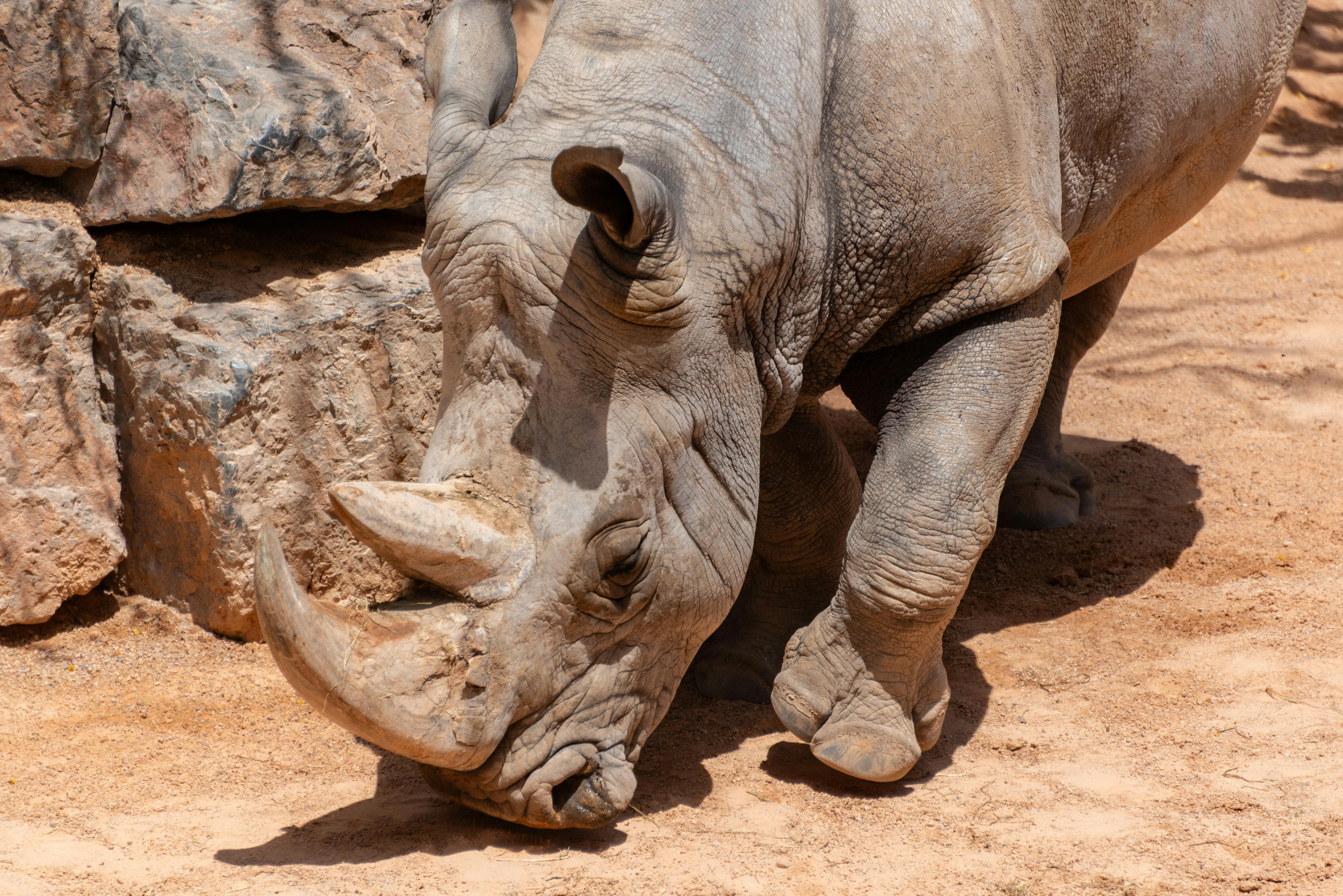
The urgency cannot be overstated. From the Sumatran rhinos clinging to existence in fragmented forests to the elusive pangolins decimated by illegal trade, countless species face unprecedented threats. Climate change, habitat destruction, and poaching continue to push them to the brink. But 2026 brings new opportunities and innovative solutions, placing the power of change directly into your hands. This article will guide you through the evolving landscape of ethical travel and conservation finance, helping you identify the best options to ensure your money generates maximum positive impact for our planet's most vulnerable inhabitants.
Backgrounds & Facts
The state of global biodiversity in 2026 remains precarious. Reports from the IUCN highlight that over 42,100 species are currently threatened with extinction. While some species have seen miraculous recoveries thanks to dedicated conservation efforts, many more are slipping away. The traditional conservation model, reliant heavily on government funding and large grants, is increasingly augmented by innovative, market-based solutions and direct public engagement. This shift is crucial because it diversifies funding streams and creates a more resilient, participatory conservation economy.
One of the most significant trends transforming conservation is the rise of regenerative ecotourism. Unlike conventional tourism, which can often inadvertently harm local ecosystems and cultures, regenerative ecotourism actively seeks to improve the environment and empower local communities. It's about leaving a place better than you found it, with a direct portion of your travel spend funneled into species protection, habitat restoration, and anti-poaching initiatives. By 2026, travelers are increasingly demanding transparency and verifiable impact from their chosen operators, pushing the industry towards higher standards of accountability.
Parallel to this, the financial sector is witnessing a surge in impact investing and biodiversity credits. Individuals and corporations are no longer content with simply offsetting carbon; they want to invest in projects that demonstrably protect and restore biodiversity. Blockchain technology is playing a pivotal role here, offering unprecedented transparency in tracking funds from your wallet directly to conservation projects on the ground. This ensures that your investment in, say, a rainforest preservation project designed to save orangutans, is verifiable and impactful.
Consider the African savanna elephant, still facing poaching pressure despite global efforts, or the vaquita, the world's most endangered marine mammal, teetering on the brink. These species, and countless others, desperately need not just protection, but also sustainable economic alternatives for the communities living alongside them. This is where your purchasing intent becomes a powerful tool. By consciously choosing ethical ecotourism operators or investing in verified conservation projects, you're not just a tourist or an investor; you're a vital part of the solution.
Expert Opinion / Analysis
“The era of passive conservation is over,” states Dr. Anya Sharma, lead conservation economist at the Global Biodiversity Institute, in a recent interview. “By 2026, we’ve seen a critical mass of individuals realizing their purchasing power is a direct leverage point for environmental change. The demand for transparent, high-impact conservation opportunities—whether through travel or investment—has skyrocketed. This is a game-changer.”
Dr. Sharma emphasizes that the key lies in the 'regenerative' aspect. “It’s not enough to simply minimize harm. True impact means actively contributing to ecological restoration and community upliftment. For instance, an eco-lodge that employs local anti-poaching units, funds reforestation, and educates guests on local biodiversity isn't just a place to sleep; it’s a conservation hub. Similarly, investing in biodiversity credits via a platform that uses real-time satellite monitoring and blockchain validation provides an unparalleled level of accountability. This direct pipeline from consumer to conservation is what will tip the scales for many endangered species.”
However, Dr. Sharma also cautions against 'greenwashing'. “The market is flooded with options, and not all are created equal. Consumers must do their due diligence. Look for third-party certifications, transparent reporting, and clear evidence of how funds are allocated. Does the organization have a strong track record? Are local communities truly benefiting? These are critical questions for anyone looking to make a genuine impact.” The growth of AI-powered verification tools and independent conservation auditors in 2026 is helping consumers navigate this complex landscape, making it easier to identify truly impactful initiatives.
💰 Best Options in Comparison (VERY IMPORTANT)
Making a difference for endangered species doesn't have to be complicated. Here are some of the best ways you can channel your purchasing intent into impactful conservation efforts, offering a range of engagement levels and financial commitments:
- Regenerative Ecotourism Expeditions: These aren't just holidays; they are immersive experiences designed to actively support conservation. Look for operators who partner directly with local communities and conservation projects, ensuring a significant portion of your tour cost goes to species protection, habitat restoration, and anti-poaching efforts. Examples include dedicated gorilla trekking tours in Rwanda that fund anti-poaching patrols, tiger safaris in India that support local community development and wildlife corridors, or marine conservation dives in the Galapagos where you contribute to research and cleanup efforts. Key features to look for: transparent financial reporting, strong community partnerships, certified eco-friendly practices (e.g., LEED, Green Globe), and direct involvement in conservation activities.
- Direct Biodiversity & Carbon Offset Investments: For those looking to make a financial impact without necessarily traveling, investing in biodiversity credits or high-quality carbon offset projects with co-benefits for biodiversity is a powerful option. Platforms like 'EcoInvest Connect' or 'WildEarth Credits' allow you to purchase verifiable units representing the protection of specific habitats or species. These often leverage blockchain for transparency, ensuring your funds directly support land acquisition, reforestation, or the funding of ranger patrols. Many also offer 'adopt-a-species' programs linked to specific, verifiable conservation outcomes, providing regular updates on the impact of your contribution to, for example, a rhino or orangutan.
To help you choose, here's a comparison of key factors for making your conservation contributions:
| Option Type | Engagement Level | Direct Impact | Transparency & Verification | Typical Cost/Investment | Best For |
|---|---|---|---|---|---|
| Regenerative Ecotourism (e.g., Eco-Lodges, Safaris) | High (Immersive travel, direct interaction) | Funding local conservation, anti-poaching, habitat restoration, community development. | Varies; look for certifications (e.g., GSTC, B Corp), clear project reports, local partnerships. | $$ - $$ (Varies by destination & luxury) | Travelers seeking experiential learning, direct cultural exchange, and verifiable on-ground impact. |
| Biodiversity Credit Platforms / Conservation Bonds | Medium (Financial investment, remote tracking) | Direct funding for habitat protection, species reintroduction, ecosystem services. | High; often blockchain-verified, satellite monitoring, audited reports. | $ - $$ (Flexible investment amounts) | Investors wanting measurable, verifiable ecological impact and portfolio diversification. |
| Species Adoption Programs (Reputable NGOs) | Low-Medium (Symbolic contribution, regular updates) | General funding for species-specific research, protection, and rehabilitation. | Medium-High; annual reports, impact stories, sometimes direct animal tracking. | $ - $ (Annual subscription or one-time donation) | Individuals seeking an emotional connection to a species and reliable, ongoing support for conservation. |
| Conservation Volunteer Expeditions | Very High (Hands-on work, skill-sharing) | Direct labor for research, monitoring, habitat restoration, community education. | High; direct involvement, project leader oversight, post-expedition reports. | $ - $$ (Program fees often cover lodging, food, project costs) | Adventurous individuals wanting to contribute skills, time, and physical effort directly. |
Outlook & Trends
The future of endangered species conservation in 2026 and beyond is increasingly shaped by technology and a growing global consciousness. We anticipate several key trends:
- Hyper-Personalized Impact Tracking: Advances in AI, IoT, and blockchain will allow individuals to track the exact impact of their contributions in real-time. Imagine booking an eco-tour and receiving daily updates, verified by satellite imagery, on how your funds are directly supporting anti-poaching patrols or specific reforestation efforts in that region.
- AI-Driven Conservation Strategies: AI is becoming indispensable, predicting poaching hotspots, monitoring wildlife populations with unprecedented accuracy, and even optimizing reintroduction programs. Investment in AI tools for conservation will become a significant avenue for impact.
- Corporate Responsibility & Supply Chain Transparency: More companies will adopt rigorous biodiversity-positive policies, driven by consumer demand. Platforms that verify ethical sourcing and biodiversity impact across global supply chains will become standard, allowing consumers to make purchasing decisions that avoid products linked to habitat destruction or illegal wildlife trade.
- Blended Finance for Nature: Expect to see more innovative financial instruments that blend public, private, and philanthropic capital for large-scale conservation projects. This includes 'blue bonds' for marine conservation and 'green bonds' specifically targeting biodiversity restoration. Your individual investments can feed into these larger funds.
- Youth-Led & Indigenous Conservation: A new generation of conservationists, often from indigenous communities, will lead the charge. Supporting their initiatives through direct funding or by visiting their community-led ecotourism projects will be increasingly vital and impactful.
The emphasis will continue to be on verifiable impact, community empowerment, and scalable solutions that address the root causes of biodiversity loss.
Conclusion
In 2026, the power to protect endangered species no longer rests solely with governments or large organizations. It is a shared responsibility, and crucially, a shared opportunity. Your next travel booking, your next investment decision, or even your choice of a charitable donation can be a direct, measurable force for saving our planet's most vulnerable wildlife. By choosing regenerative ecotourism, investing in transparent biodiversity credits, or supporting reputable species adoption programs, you are not just spending money; you are investing in a future where majestic creatures like the Sumatran tiger, the black rhino, and the pangolin can thrive.
The critical message is clear: engage actively, demand transparency, and choose wisely. The tools and opportunities for high-impact conservation are more accessible than ever before. RoarTigers.com encourages you to explore these options, compare the services, and become a proactive champion for endangered species. Your purchasing intent truly has the power to write the next chapter for wildlife conservation – a chapter of hope, recovery, and a thriving planet for all.