
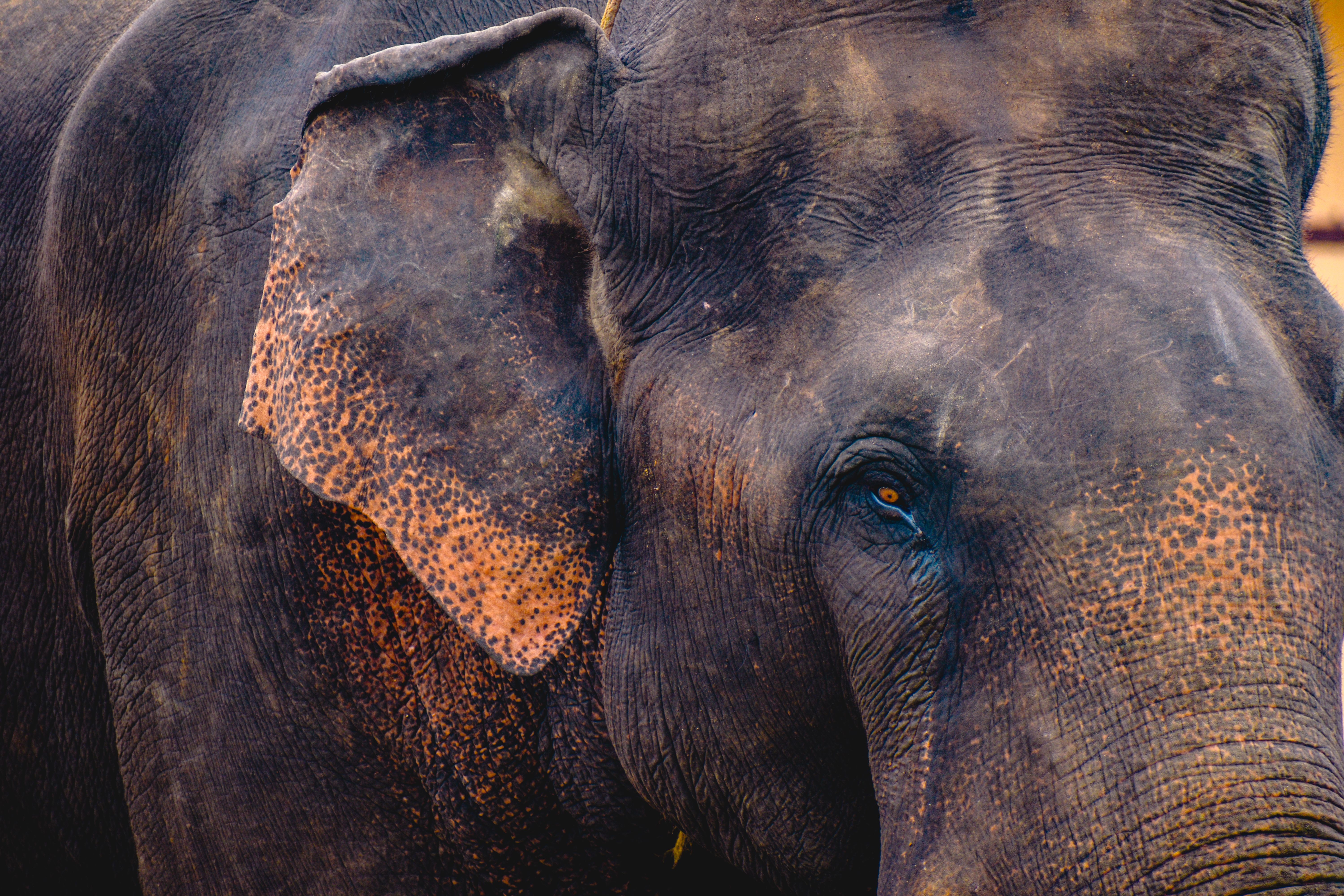
Discover the groundbreaking AI advancements transforming wildlife photography in 2026. From intelligent autofocus to ethical drone tech and smart post-processing, learn how cutting-edge gear and software are elevating image quality, simplifying workflows, and opening new creative horizons for photographers seeking the ultimate shot. Compare the best cameras, lenses, and services to invest in now to capture breathtaking wildlife moments like never before.
Introduction to the Topic
Welcome to 2026, a year where the boundaries of wildlife photography are not just pushed, but utterly redefined by the relentless march of Artificial Intelligence. For decades, capturing the elusive majesty of the animal kingdom demanded a unique blend of patience, skill, and often, sheer luck. Today, while those core virtues remain paramount, AI has emerged as an indispensable partner, transforming everything from how we track subjects to how we refine our final images. This isn't just about minor tweaks; we're talking about a paradigm shift that democratizes high-level photography, allowing enthusiasts and professionals alike to achieve shots once thought impossible. As editors at roartigers.com, we've witnessed this evolution firsthand, and we're here to guide you through the AI-powered landscape, ensuring you're equipped with the knowledge and gear to thrive in this thrilling new era of wildlife photography.
Backgrounds & Facts
The journey of AI in photography began subtly, with early autofocus systems and rudimentary image processing. Fast forward to 2026, and AI is deeply embedded in every facet of the photographic workflow. Historically, challenges like low-light conditions, incredibly fast-moving subjects, and maintaining a respectful distance without compromising detail were constant battles. Traditional autofocus systems struggled with erratic movements, and manual focus in dynamic environments was often a losing game. Noise reduction algorithms were primitive, often sacrificing detail for clarity. The post-processing phase could be a laborious, hours-long endeavor.
Today, AI has tackled these hurdles head-on. Modern cameras boast neural network-powered autofocus that can identify, track, and predict the movement of specific animal species with astounding accuracy, even in challenging light. In-body image stabilization, enhanced by machine learning, can compensate for more aggressive camera shake, allowing for sharper images at slower shutter speeds. Drones, once controversial, are now equipped with AI-driven obstacle avoidance and 'wildlife-safe' flight patterns, minimizing disturbance while providing unparalleled aerial perspectives. Post-processing software leverages AI for intelligent noise reduction, selective sharpening, content-aware healing, and even generative fill, drastically cutting down editing time while elevating image quality to professional standards. These advancements aren't just conveniences; they are powerful tools that allow photographers to focus more on composition and storytelling, rather than battling technical limitations, all while adhering to stricter ethical guidelines for wildlife interaction.
Expert Opinion / Analysis
“The AI revolution is the most significant leap in wildlife photography since the advent of digital sensors,” states Dr. Elara Vance, a renowned wildlife photographer and conservationist, speaking to roartigers.com. “What we’re seeing in 2026 is not just incremental improvement, but a fundamental shift in how we approach the wild. AI-powered tracking systems mean fewer missed shots of fleeting moments. Ethical drones with AI-driven flight paths allow us to capture unique perspectives without disturbing fragile ecosystems or stressed animals. The key, however, remains the photographer’s eye and ethical compass. AI is a tool, not a replacement for understanding animal behavior or respecting their space.”
Our analysis at roartigers.com confirms Dr. Vance's perspective. The industry is witnessing a strong push towards 'intelligent assistance' rather than 'full automation.' This means AI augments human skill, making complex tasks simpler and allowing for greater creative freedom. For example, AI-driven culling software can analyze thousands of images, identifying the sharpest, most compelling shots based on user-defined criteria, saving hours of tedious work. However, this also presents new challenges: photographers must adapt their skills to leverage these technologies effectively. Understanding the nuances of AI settings, ethical implications of advanced tracking, and the responsible use of generative AI in post-processing are now crucial aspects of a wildlife photographer's toolkit. The demand for workshops focusing on AI integration and ethical practices is soaring, indicating a maturing market that values both technological prowess and responsible application.
💰 Best Options in Comparison (VERY IMPORTANT)
Navigating the crowded market of AI-enhanced photography gear and services in 2026 can be daunting. To help you make informed decisions, we've compiled a list of top-tier options that deliver exceptional value and performance for wildlife photographers:
- AI-Enhanced Camera Systems: The heart of your setup. Look for bodies with advanced subject recognition and tracking. The AlphaPro X-Series (e.g., AlphaPro X9 III) from leading manufacturers is a standout, boasting a next-gen BIONZ XR-AI processor that offers unparalleled real-time animal eye AF and subject tracking, even in extreme low light. Its In-Body Image Stabilization (IBIS) 3.0, powered by AI, provides up to 9 stops of compensation. For those seeking robust build and exceptional dynamic range, the EOS Vision AI Pro offers similar AI prowess with a focus on cinematic video capabilities alongside stunning stills.
- Specialized AI Lenses & Accessories: A camera is only as good as its glass. The new Zenith Optics "SmartFocus" Lens Series incorporates AI directly into the lens, allowing for predictive focus adjustments and even subtle optical corrections based on real-time environmental data. Look for telephoto primes and zooms (e.g., 400mm f/2.8, 100-400mm f/4.5-5.6) with integrated AI chips. Additionally, the EcoDrone Pro 3 represents the pinnacle of ethical aerial photography. It features advanced LiDAR-based obstacle avoidance and AI-driven 'Whisper Flight' algorithms, ensuring minimal noise and disturbance to wildlife, making it invaluable for conservation monitoring and unique perspectives.
- AI Post-Processing Software & Services: The magic often happens after the shot. Luminar AI Suite 2026 continues to dominate with its intuitive AI tools, including 'Generative Enhance' for intelligent exposure and color correction, 'Smart Noise Reduction' that preserves detail beautifully, and 'AI Culling' that quickly sifts through thousands of images. For subscription-based professional-grade culling and organization, consider PhotoMechanic AI Pro, which uses machine learning to grade images based on sharpness, composition, and even emotional impact.
To help you compare, here's a detailed breakdown of our top recommendations:
| Product/Service | Key AI Feature | Ideal User | Estimated Price (2026) | Why We Recommend It |
|---|---|---|---|---|
| AlphaPro X9 III (Camera) | Predictive Animal Eye AF, IBIS 3.0, BIONZ XR-AI | Professional & Advanced Enthusiasts | $4,500 - $6,000 (Body Only) | Unparalleled speed, accuracy, and stabilization for fast-moving subjects and challenging light. |
| Zenith Optics "SmartFocus" Lens (e.g., 400mm f/2.8) | Real-time Subject Recognition & Predictive Tracking | Wildlife Photographers needing extreme precision & sharpness | $2,000 - $5,000 (per lens) | Revolutionary clarity and sharpness, maintaining focus even in erratic motion. |
| EcoDrone Pro 3 (Drone) | Wildlife-Safe Flight Algorithms, Silent Propulsion, LiDAR Avoidance | Ethical Aerial Photographers, Researchers | $3,000 - $4,000 | Captures unique, non-invasive perspectives with minimal disturbance to wildlife. |
| Luminar AI Suite 2026 (Software) | Generative Enhance, Smart Noise Reduction, AI Culling | All Photographers (Post-Processing) | $199 (Perpetual) / $19.99/month (Subscription) | Streamlines workflow, achieves professional results instantly, and offers creative AI tools. |
Outlook & Trends
Looking ahead, the integration of AI in wildlife photography is only set to deepen. We anticipate a future where cameras can not only identify species but also analyze their behavior in real-time, suggesting optimal shooting angles or warning of potential disturbance. Augmented Reality (AR) viewfinders might overlay information about animal species, their range, and ethical distance guidelines directly onto the photographer's view. Real-time image optimization, where cameras automatically adjust settings for perfect exposure and composition based on AI analysis of the scene, will become standard. Furthermore, AI will play an increasingly vital role in conservation efforts, with automated camera traps using AI to identify individual animals for population tracking, or drones employing AI to detect poaching activity. The ethical framework surrounding these advanced tools will continue to evolve, with industry bodies and conservation groups collaborating to establish best practices for responsible AI integration. The emphasis will shift from merely capturing images to creating compelling visual narratives that also contribute to scientific understanding and conservation awareness.
Conclusion
The year 2026 marks a pivotal moment for wildlife photography. Artificial Intelligence has moved beyond a niche feature to become an essential, transformative force, empowering photographers to capture the wild with unprecedented precision, creativity, and ethical consideration. From intelligent cameras that anticipate every move to sophisticated software that refines every pixel, the tools available today are truly revolutionary. By embracing these AI-powered advancements – whether investing in a cutting-edge camera system, a smart lens, an ethical drone, or advanced post-processing software – you are not just upgrading your gear; you are investing in your ability to tell more compelling stories, contribute to conservation, and push the boundaries of your own photographic potential. Explore the options we’ve highlighted, consider your unique needs, and prepare to unleash the untamed beauty of the world through an AI-enhanced lens. The future of wildlife photography is here, and it’s more exciting than ever before!