
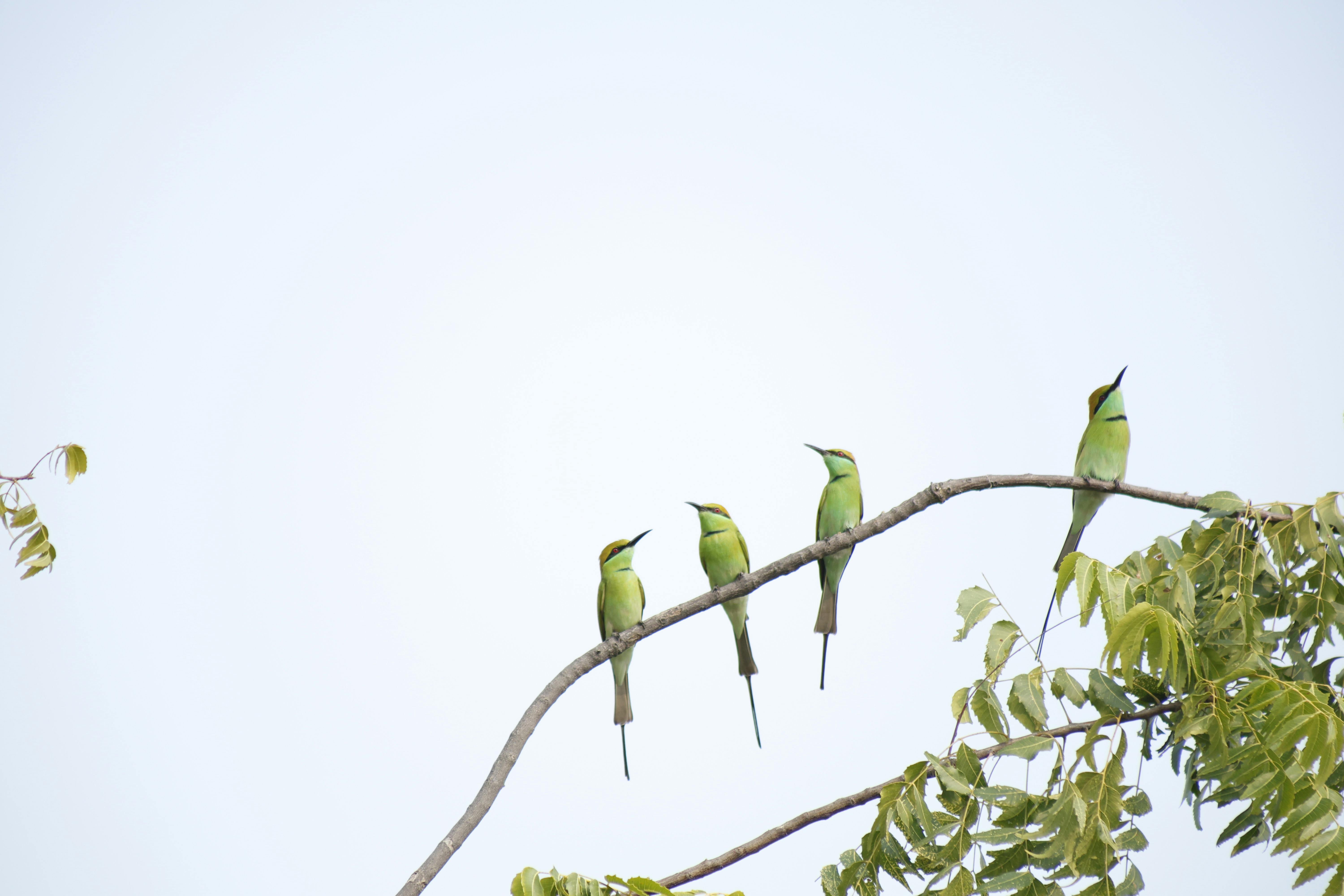
Discover the future of bird watching! This 2026 guide explores the best smart bird feeders and AI bird cameras, offering unparalleled backyard wildlife insights. Compare top models, understand ethical feeding practices, and find the perfect tech to identify, photograph, and cherish your feathered visitors, maximizing your birding experience and supporting conservation.
Introduction to the Topic
Imagine waking up to a notification on your smartphone: "New visitor at your feeder – a stunning Northern Cardinal!" You tap the screen and instantly watch a high-definition video clip of the vibrant bird, its species automatically identified by artificial intelligence. This isn't a scene from a futuristic sci-fi movie; it's the everyday reality for millions of nature enthusiasts in 2026, thanks to the revolutionary advancements in smart bird feeders and AI-powered bird cameras. The world of backyard bird watching has been utterly transformed, moving beyond binoculars and field guides to an immersive, interactive, and incredibly convenient experience. With technology that brings the wild closer than ever, these devices are not just gadgets; they're gateways to understanding and appreciating the delicate ecosystems right outside our windows.
In an age where digital connection often overshadows our connection to nature, smart bird feeders offer a powerful bridge. They democratize ornithology, allowing anyone, regardless of their prior knowledge or physical mobility, to become a keen observer of avian life. But with a rapidly expanding market, how do you choose the right device? What features truly matter? And crucially, how can we ensure this technological leap benefits birds as much as it benefits us? This comprehensive guide will navigate the exciting landscape of 2026's top smart bird feeders and AI cameras, offering insights, comparisons, and expert advice to help you make an informed decision and become a responsible, tech-savvy birding enthusiast.
Backgrounds & Facts
The journey from simple bird feeders to today's AI-powered marvels is a testament to human ingenuity and our enduring fascination with birds. For centuries, attracting birds to our gardens involved basic trays and seed mixes. The 20th century brought innovations like squirrel-resistant designs and specialized feeders, but the core interaction remained passive observation. The true revolution began in the late 2010s and accelerated into the 2020s with the convergence of several key technologies: affordable high-definition cameras, robust Wi-Fi connectivity, cloud computing, and perhaps most significantly, advanced artificial intelligence and machine learning.
Today's smart bird feeders are sophisticated IoT (Internet of Things) devices. They integrate motion-activated cameras, often with night vision, to capture stunning photos and videos of visiting birds. The captured media is then uploaded to a cloud server where AI algorithms, trained on vast databases of bird species, can instantly identify the visitor with remarkable accuracy. This identification often includes not just the species but sometimes even subspecies or unique markings. Users receive instant notifications on their smartphones, allowing them to view the footage, learn about the bird, and share their discoveries with a global community of bird lovers.
The benefits extend beyond mere entertainment. These devices contribute significantly to citizen science. The accumulated data – species sightings, visit frequency, feeding patterns, and even migratory timing – provides invaluable information to ornithologists and conservationists. For instance, platforms like eBird and Audubon increasingly integrate data from smart feeders, helping track bird populations, monitor environmental changes, and identify areas needing conservation efforts. Furthermore, many models now incorporate solar charging, improved weather resistance, and modular designs, making them more sustainable and user-friendly than ever before. This blend of personal enjoyment and scientific contribution makes smart bird feeders a powerful tool for both education and ecological stewardship.
Expert Opinion / Analysis
Dr. Eleanor Vance, a leading ornithologist and advocate for technological integration in wildlife research at the Global Avian Institute, shares her perspective: "The advent of AI-powered bird feeders has truly democratized ornithology. Where once you needed years of field experience to identify every species, now a novice can instantly recognize a rare visitor and learn about its habitat, diet, and migration patterns. This fosters a deeper connection to nature, especially among younger generations, which is crucial for future conservation efforts."
However, Dr. Vance also emphasizes the critical importance of ethical engagement. "While the technology is incredible, the responsibility lies with the user. We must ensure these devices are used in a way that truly benefits, rather than harms, our feathered friends. This means rigorous feeder hygiene to prevent the spread of diseases like avian flu or salmonella – cleaning feeders at least weekly with a diluted bleach solution is non-negotiable. Proper feeder placement away from predator hiding spots, and providing appropriate, high-quality seed mixes (never bread or kitchen scraps!) are also paramount. Smart feeders should enhance natural behavior, not alter it negatively."
The data collection aspect is another area of expert focus. "The sheer volume of data generated by these feeders is a goldmine for researchers," explains Dr. Vance. "From tracking the spread of invasive species to monitoring the impact of climate change on migration, the collective 'eyes' of millions of smart feeders provide unprecedented real-time insights. However, ensuring data privacy and accuracy, and developing robust platforms for data sharing with scientific communities, remains an evolving challenge that manufacturers and users must continually address." The consensus among experts is clear: smart bird feeders are a game-changer, but their true potential is unlocked only when coupled with informed, ethical practices.
💰 Best Options in Comparison (VERY IMPORTANT)
Choosing the right smart bird feeder in 2026 can feel overwhelming given the array of options. To help you make the best investment, we've identified and compared some of the leading models on the market, catering to different budgets and feature preferences. Each offers a unique blend of technology, design, and user experience, designed to bring the magic of bird watching directly to your screen.
-
The Aviary AI Pro 5000: Premium Performance & Advanced AI
Considered the gold standard for serious bird enthusiasts, the Aviary AI Pro 5000 boasts a 4K HDR camera with a wide 160-degree field of view, capturing breathtaking detail even in challenging light. Its proprietary AI identification system recognizes over 10,000 species and subspecies with near-perfect accuracy, providing instant, detailed information. It features a robust, weather-sealed design, a large solar panel for continuous power, and a modular seed tray system for easy cleaning and refilling. Subscription required for full AI features and extended cloud storage. Best for users who demand the absolute best in image quality, AI accuracy, and are willing to invest in a premium experience.
-
FeatherCam Connect: Budget-Friendly Innovation
The FeatherCam Connect strikes an excellent balance between cost and capability, making it an ideal entry point for beginners. It offers a crisp 1080p camera with good night vision and an AI that accurately identifies over 5,000 common species. While its AI isn't as granular as the Aviary Pro, it's more than sufficient for most backyard birders. It features a compact, easy-to-mount design and can be powered via USB-C or an optional solar add-on. Cloud storage is limited without a subscription, but local SD card storage is available. Perfect for those looking for reliable performance without breaking the bank.
-
WildLens Defender: Rugged Reliability for Harsh Climates
Designed for the toughest environments, the WildLens Defender is built like a tank. Its industrial-grade construction is IP67 waterproof and dustproof, making it suitable for extreme temperatures and heavy precipitation. It comes with a 2K camera and a respectable AI identification system for 7,000+ species. A key feature is its extra-large seed capacity and anti-squirrel baffles, minimizing maintenance. Power options include a large integrated solar panel and a long-lasting internal battery. While bulkier, its durability and low-maintenance design appeal to users in remote or challenging locations, or those who prefer less frequent intervention.
-
Eco-Feeder Insight: Sustainable Smart Birding
For the environmentally conscious birder, the Eco-Feeder Insight stands out. Constructed from 80% recycled plastics and featuring a highly efficient solar panel, it prioritizes sustainability. Its 1080p camera and AI identify 6,000+ species, and it uniquely integrates with a "responsible feeding" app that provides localized advice on bird-safe seeds and feeder hygiene reminders. It also offers a unique feature for connecting with local conservation groups to share data. While its camera specs are solid rather than spectacular, its commitment to ecological principles and community engagement makes it a compelling choice for the green-minded enthusiast.
Here’s a comparison table to help you weigh your options:
| Feature | Aviary AI Pro 5000 | FeatherCam Connect | WildLens Defender | Eco-Feeder Insight |
|---|---|---|---|---|
| Price Range | $$ (Premium) | $ (Mid-Range) | $$ (Upper Mid-Range) | $$ (Upper Mid-Range) |
| AI Accuracy | Excellent (10,000+ species) | Good (5,000+ species) | Very Good (7,000+ species) | Good (6,000+ species) |
| Video Resolution | 4K HDR | 1080p Full HD | 2K Quad HD | 1080p Full HD |
| Storage | Cloud (Subscription) | Cloud/SD Card | Cloud/SD Card | Cloud (Subscription) |
| Power Source | Integrated Solar | USB-C / Optional Solar | Integrated Solar / Battery | Integrated Solar |
| Unique Feature | Modular Design, 160° FoV | Compact, Easy Setup | IP67 Ruggedness, Anti-Squirrel | Recycled Materials, Conservation App |
| Best For | Enthusiasts, High-Detail | Beginners, Value | Harsh Climates, Low Maint. | Eco-Conscious, Community |
Outlook & Trends
The future of smart bird feeders and AI cameras is incredibly bright, promising even more immersive and impactful experiences. By 2026, we're seeing trends that suggest further integration, personalization, and scientific utility.
- Hyper-Personalized AI: Expect AI systems to not only identify species but also recognize individual birds, track their return visits, and even detect subtle changes in their health or behavior, offering insights akin to a personal avian diary.
- Augmented Reality & Gamification: Future apps might overlay AR information onto live feeds, showing migration routes, conservation status, or even interactive games that teach about bird calls and behaviors.
- Advanced Biometric Monitoring: Beyond visual identification, future feeders could incorporate sensors to analyze bird songs, track subtle movements for early detection of illness, or even monitor environmental factors like air quality that impact bird health.
- Seamless Smart Home Integration: Imagine your smart feeder communicating with your smart lighting to create optimal viewing conditions, or integrating with home security systems to differentiate between wildlife and potential threats.
- Modular & Sustainable Designs: As environmental consciousness grows, expect more feeders to feature fully recyclable components, easy-to-replace parts, and universal charging standards, prolonging their lifespan and reducing waste.
- Enhanced Citizen Science Platforms: The data gathered will become even more sophisticated, allowing for real-time global monitoring of avian populations, disease outbreaks, and habitat changes, empowering conservation efforts on an unprecedented scale.
These innovations will not only make bird watching more engaging but will also solidify the role of smart feeders as vital tools for ecological research and conservation, transforming every backyard into a potential research station.
Conclusion
The year 2026 marks a pivotal moment in our relationship with the natural world, particularly with the birds that grace our backyards. Smart bird feeders and AI cameras are no longer mere novelties; they are sophisticated instruments that blend entertainment, education, and ecological stewardship into one compelling package. They offer an unprecedented window into the secret lives of our feathered neighbors, transforming passive observation into an active, informed, and deeply personal connection.
By investing in a high-quality smart bird feeder, you're not just buying a gadget; you're acquiring a tool for discovery, a platform for learning, and a means to contribute to vital citizen science. Remember to pair this exciting technology with responsible birding practices – diligent hygiene, appropriate feed, and mindful placement – to ensure the well-being of the birds you cherish. As these technologies continue to evolve, promising even greater insights and interactive experiences, the opportunity to engage with nature from the comfort of your home has never been more accessible or rewarding. So, choose your smart feeder wisely, set it up ethically, and prepare to unlock the incredible avian wonders waiting just outside your door. Happy birding!