
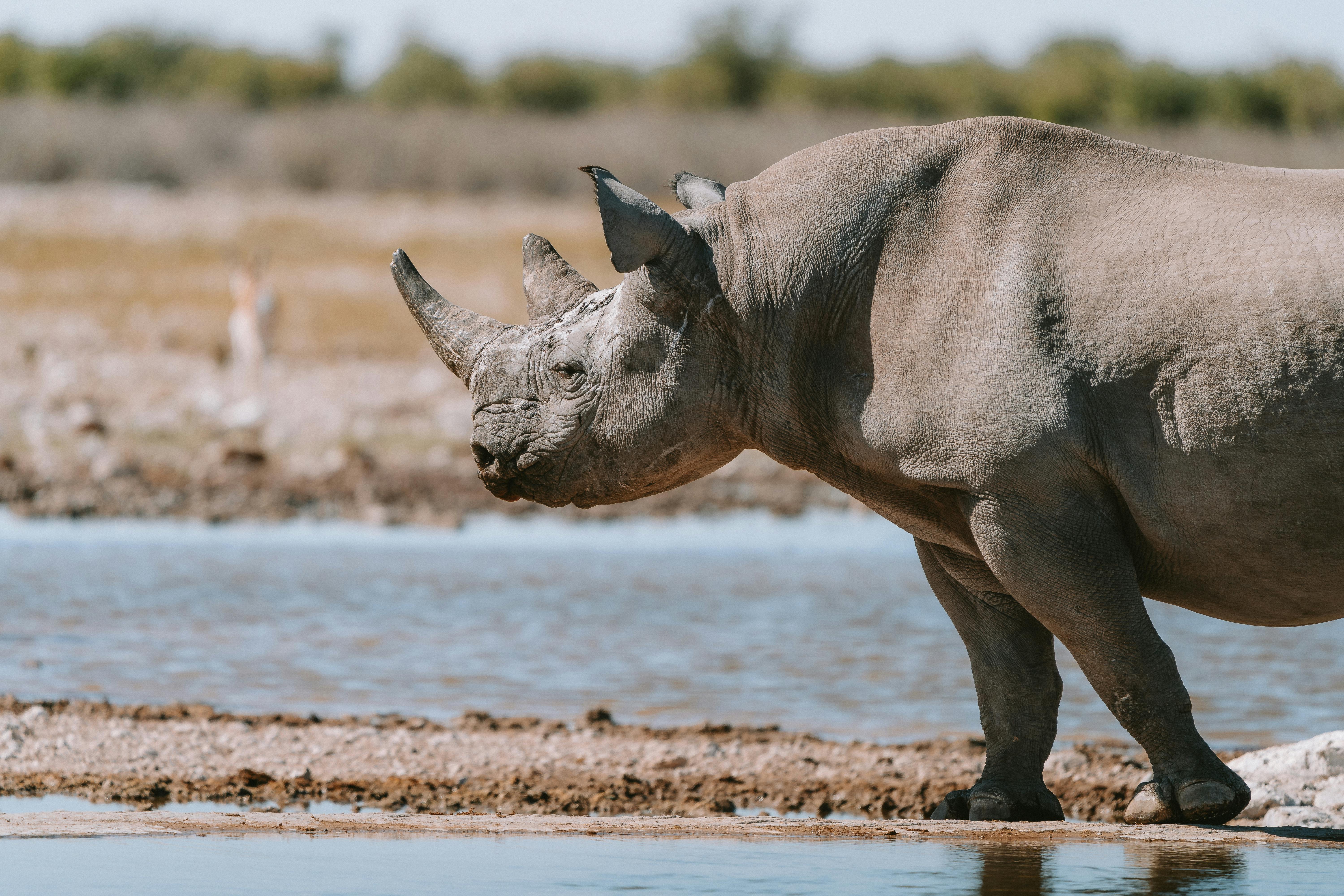
Discover the most effective ways to champion wildlife in 2026. From ethical investments and responsible eco-tourism to direct conservation funding and cutting-edge advocacy tools, this guide helps you make informed choices that protect endangered species and vital ecosystems. Learn where to donate, volunteer, and invest for maximum impact, optimizing your commitment to a sustainable planet.
Introduction to the Topic
The year is 2026, and the roar of a tiger, the trumpeting of an elephant, or the silent glide of a shark in our oceans feels more precious than ever. Wildlife advocacy isn't just a passion; it's a critical investment in the health of our planet and our future. As global challenges like climate change, habitat destruction, and poaching continue to escalate, the need for informed, impactful action has never been more urgent. But with so many organizations, initiatives, and causes vying for attention, how do you ensure your efforts, whether financial or physical, truly make a difference? This comprehensive guide from roartigers.com is designed for the discerning advocate, the conscious traveler, and the ethical investor looking to navigate the complex landscape of wildlife conservation in 2026. We'll cut through the noise, providing you with high-quality insights and actionable options to maximize your contribution to biodiversity preservation and sustainable ecosystems. Get ready to transform your intent into tangible impact and secure a wilder tomorrow.
Backgrounds & Facts
In 2026, the state of global wildlife presents a stark dichotomy of peril and progress. While the IUCN Red List continues to highlight thousands of species teetering on the brink of extinction – from the critically endangered Vaquita porpoise to numerous amphibian and insect species – there are also inspiring tales of resilience and recovery driven by dedicated advocacy. For instance, targeted anti-poaching initiatives, bolstered by AI-powered surveillance and community engagement, have shown promising results in certain African elephant and rhino populations. Similarly, marine protected areas (MPAs), now covering over 10% of global oceans, are demonstrating significant biodiversity regeneration, thanks to persistent policy advocacy and scientific backing. However, new threats constantly emerge. The rapid expansion of deep-sea mining exploration poses a significant risk to unexplored marine ecosystems, and the escalating frequency of extreme weather events, exacerbated by climate change, continues to devastate habitats worldwide. Understanding these evolving dynamics is crucial for effective advocacy. It's no longer just about saving individual species; it's about safeguarding entire ecosystems, promoting sustainable land use, and ensuring equitable benefits for local communities who often live alongside wildlife. From supporting robust scientific research to pushing for stronger international agreements like CITES, every facet of advocacy plays a vital role in shaping the future of our planet's wild inhabitants.
Expert Opinion / Analysis
“The landscape of wildlife advocacy in 2026 is defined by two key pillars: technology and transparency,” states Dr. Anya Sharma, Director of Global Conservation Strategies at the World Wildlife Alliance. “We’re seeing unprecedented integration of AI for predictive analytics in anti-poaching operations, drone technology for habitat monitoring, and even blockchain for ensuring the traceability of funds and ethical sourcing of products. This technological leap allows us to be more efficient, proactive, and accountable than ever before.” Dr. Sharma emphasizes that while traditional forms of advocacy – such as policy lobbying and direct action – remain critical, the modern advocate also has powerful digital tools at their fingertips. “Citizen science platforms are connecting millions globally, allowing individuals to contribute valuable data to conservation efforts from their own backyards. Social media campaigns can mobilize support for critical issues overnight, influencing corporate practices and government policies. However, with this power comes the responsibility to choose wisely. Donors and volunteers are increasingly sophisticated, demanding verifiable impact and transparent reporting. Organizations that embrace these principles, leveraging technology to demonstrate their effectiveness and financial integrity, are the ones truly driving change.” Her analysis underscores that making a difference in 2026 means not just caring, but caring smartly – by aligning with organizations and initiatives that are future-proofed, scientifically sound, and committed to measurable, transparent impact.
💰 Best Options in Comparison (VERY IMPORTANT)
Making a tangible difference in wildlife conservation requires strategic investment – whether it's your time, money, or consumer choices. In 2026, the options are more diverse and impactful than ever, catering to various levels of engagement and financial commitment. Here are some of the best avenues for those with purchasing intent, seeking to maximize their contribution to a wilder future:
-
1. The Global Biodiversity Fund (GBF) – Direct Impact Investment
The GBF is a consortium of leading global conservation NGOs, leveraging advanced AI and satellite monitoring to identify and fund the most critical biodiversity hotspots and endangered species projects worldwide. Your investment here is pooled and strategically allocated to initiatives with proven track records in habitat restoration, anti-poaching enforcement, and climate resilience programs. They offer tiered donation packages, including 'Guardian' and 'Legacy' levels, providing exclusive quarterly impact reports and direct access to project leaders via virtual briefings. Transparency is a cornerstone, with blockchain-verified financial flows ensuring every dollar is traceable to its ultimate impact. This option is ideal for those seeking a high-level, diversified investment in conservation with minimal personal time commitment but maximum global reach.
-
2. Wild Frontier Eco-Adventures – Ethical Travel & Volunteering
For the advocate with a desire for hands-on engagement and immersive experiences, Wild Frontier Eco-Adventures offers meticulously curated wildlife conservation expeditions. Operating in partnership with local communities and scientific researchers, their programs range from two-week anti-poaching volunteer stints in Southern Africa to marine research expeditions in the Galapagos. Every trip directly supports local economies and conservation efforts, with a significant portion of your booking fee channeled into habitat protection and community development projects. Their 'Impact Travel' certification guarantees ethical treatment of animals, minimal ecological footprint, and authentic cultural exchange. This is perfect for those who want to combine their passion for travel with meaningful, direct contributions, fostering a deeper connection to the wild places they visit.
-
3. Eco-Conscious Collective – Sustainable Product & Service Certification
The Eco-Conscious Collective (ECC) is a rapidly growing global certification body that rigorously vets consumer products and services for their environmental sustainability and wildlife impact. By choosing ECC-certified brands – spanning everything from sustainable palm oil products and responsibly sourced timber to carbon-neutral travel agencies and ethical fashion lines – you are directly supporting companies committed to minimizing their ecological footprint and often contributing a percentage of profits to conservation. The ECC label, now prominently displayed online and in major retailers, simplifies ethical purchasing decisions. Subscribing to their premium service provides access to exclusive discounts, detailed product impact analyses, and guides on how to make your daily life a powerful act of advocacy. This option empowers you to make a difference through your everyday consumer choices, driving market demand for truly sustainable alternatives.
To help you compare these diverse avenues for impact, here's a detailed breakdown:
| Option | Primary Impact Area | Engagement Type | Annual Investment Estimate | Transparency Rating (Blockchain Verified) | Best For |
|---|---|---|---|---|---|
| Global Biodiversity Fund (GBF) | Habitat Protection, Species Recovery, Policy Advocacy | Financial Donation / Impact Investment | From $100 (basic) to $10,000+ (legacy) | Excellent (95%+) | Maximizing global reach with minimal personal time; diversified impact |
| Wild Frontier Eco-Adventures | Local Conservation, Community Development, Research Support | Ethical Travel / Hands-on Volunteering | From $1,500 (2-week trip) to $8,000+ (longer expeditions) | Very Good (90%+) | Immersive experience, direct local impact, personal connection |
| Eco-Conscious Collective (ECC) | Sustainable Consumption, Ethical Supply Chains, Market Shift | Conscious Consumerism / Membership | From $0 (choosing certified products) to $99/year (premium membership) | Good (85%+) | Everyday impact, driving market change, informed purchasing |
Outlook & Trends
Looking ahead, wildlife advocacy in 2026 and beyond will be characterized by even deeper integration of technology, personalized impact tracking, and a globalized, youth-driven movement. We anticipate the rise of 'metaverse for conservation' initiatives, allowing virtual expeditions to endangered habitats and interactive educational experiences that cultivate empathy and understanding on an unprecedented scale. AI-driven predictive modeling will become standard, identifying poaching hotspots before incidents occur and optimizing resource allocation for conservation patrols. 'Green finance' will move beyond niche investment, with major financial institutions increasingly prioritizing corporate ESG (Environmental, Social, Governance) scores, making ethical business practices a competitive advantage. The concept of 'digital biodiversity credits,' facilitated by blockchain, could allow individuals and corporations to directly fund specific habitat restoration or species protection units, with real-time, verifiable impact. Citizen science will continue to expand, powered by accessible mobile applications that turn every nature enthusiast into a data collector. Furthermore, the growing influence of Gen Z and future generations, who are digitally native and deeply concerned about climate change and biodiversity loss, will drive demand for innovative, transparent, and highly effective advocacy solutions. The future of wildlife protection will be increasingly collaborative, data-driven, and accessible, empowering more people than ever to become stewards of our planet.
Conclusion
In 2026, the call to protect our planet's magnificent wildlife resonates louder than ever. This isn't a passive plea; it's an urgent invitation to invest in a future where biodiversity thrives, ecosystems flourish, and humanity lives in harmony with nature. As we've explored, the avenues for impactful advocacy are numerous and evolving, from making strategic financial contributions to embarking on ethical eco-adventures or simply making conscious consumer choices. The power to make a difference is truly in your hands. By choosing transparent, technologically advanced, and community-focused initiatives, you ensure your investment yields maximum returns for wildlife. Don't just observe the crisis; be part of the solution. Explore the options presented, align your passion with purpose, and make your informed choice today. Your commitment, however big or small, contributes to the grand tapestry of life on Earth. Invest in a wilder tomorrow, and let your legacy be one of profound impact and unwavering dedication to the natural world. The roar of the tiger, the song of the whale, the flutter of a butterfly – their future depends on the actions we take now.