
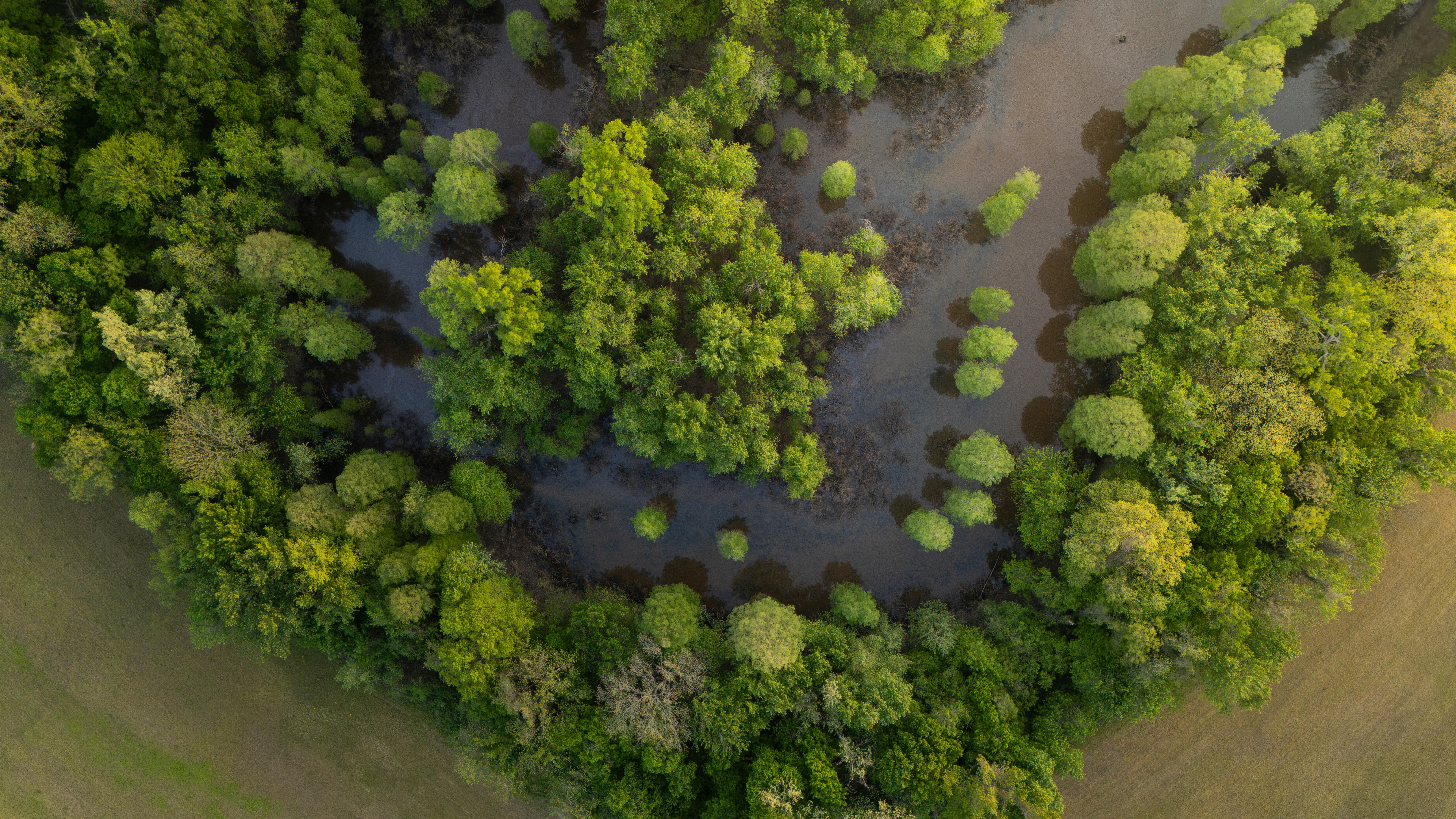
The global total of protected land has grown substantially over recent decades. A significant share of that area receives little active management, which changes what the figure means.
Designation and management are separate steps
Declaring a protected area is a legal act. It sets a boundary, assigns a category and restricts certain uses within it, and it can be completed without allocating any staff.
Management requires recurring funding, rangers, vehicles, and an authority with the capacity to act. Those arrive through a different process and frequently do not arrive at all.
The result is areas that appear in national reporting as protected while functioning, on the ground, as unmanaged land with an unenforced rulebook.
Targets reward area rather than outcome
International commitments are expressed as percentages of land and sea under protection, because area is measurable and comparable between countries.
That framing creates an incentive to designate large, remote, low-conflict areas. Such places raise the total quickly while protecting habitat that faced limited pressure anyway.
Meanwhile the habitats under real pressure are usually productive lowlands and coastal zones, where designation is contested and expensive. The measurable target and the conservation need pull in different directions.
Boundaries drift when nobody is watching
Unmanaged reserves lose land incrementally rather than dramatically. Cultivation advances from the edge, settlements expand, and grazing moves further in each dry season.
Because each step is small, no single event triggers a response. After a decade the effective boundary may sit well inside the legal one.
Formal downgrading also occurs, where governments legally shrink or reclassify protected areas to allow extraction or infrastructure. This is less common than gradual encroachment but far more permanent.
What separates a functioning reserve from a nominal one
The practical indicators are unglamorous: a permanent staff presence, a budget that recurs annually, defined boundaries that local people recognise, and enforcement that is actually applied.
Wildlife trends inside the area are the honest test. Where large mammals persist and recover, management is working, whatever the paperwork says.
Assessment tools now exist to score management effectiveness, and their results are sobering. A large share of assessed areas fall short of basic operational standards.
Why the distinction matters for planning
Treating designated area as achieved conservation overstates progress and misdirects effort towards new declarations rather than towards funding the ones already in place.
Strengthening an existing underfunded reserve is usually cheaper per unit of biodiversity retained than creating a new one, because the legal work is already done.
It is also less visible politically, which is much of the reason it competes poorly for attention against announcements of new parks.