
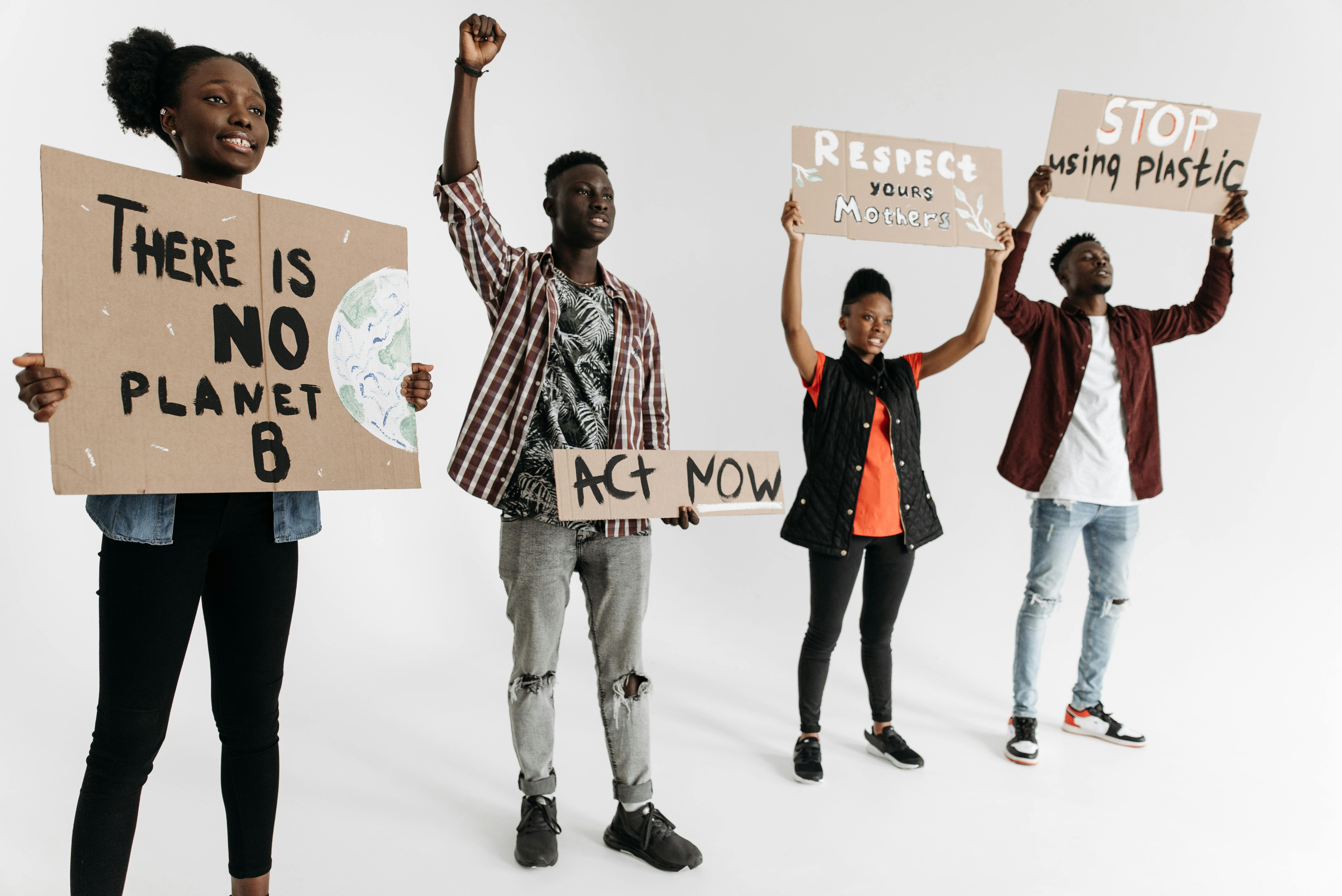
Imagine a world without the vibrant pulse of nature, where the very ground beneath our feet is silently eroding, and the symphony of life fades into an eerie silence. New, chilling data reveals that our planet's vital habitats are vanishing at an unprecedented, catastrophic rate. This isn't a distant future scenario; it's happening right now, threatening not just wildlife, but our economies, our health, and the very air we breathe. The clock is ticking – are you ready to face the disappearing world?
🔥 What's Happening Right Now
The alarm bells have been ringing for decades, but new, consolidated data paints a far grimmer picture than previously understood. A recent meta-analysis compiling findings from leading environmental agencies, including the UNEP, IUCN, and various national scientific bodies, indicates that global habitats are collapsing at a pace never before recorded in human history. We're not just losing species; we're losing entire ecosystems, the intricate webs of life that sustain our planet.
From the lush rainforests of the Amazon, which act as the Earth's lungs, to the critical wetlands providing natural flood protection and water purification across the US, these vital natural infrastructures are being decimated. Deforestation, driven by agricultural expansion, logging, and urbanization, continues unabated. Satellite imagery reveals that an area the size of Florida is lost from tropical forests every year. This isn't merely about losing trees; it's about the eradication of countless species, many still undiscovered, and the disruption of global climate patterns. The carbon sink capacity of these forests is diminishing, accelerating climate change and contributing to more extreme weather events felt directly by American communities, from devastating wildfires in California to increasingly powerful hurricanes along the Gulf Coast.
Our oceans, once thought limitless, are facing an equally dire fate. Coral reefs, the "rainforests of the sea," are bleaching and dying at an alarming rate due to rising ocean temperatures and acidification. These reefs support a quarter of all marine life, provide coastal protection, and underpin vast fishing industries. Their collapse threatens not only marine biodiversity but also the livelihoods of millions and the food security of entire nations, including coastal US states. Furthermore, overfishing, plastic pollution, and industrial runoff are creating vast "dead zones" where oxygen levels are too low to support most marine life, impacting commercial fisheries and recreational activities.
Even temperate grasslands, crucial for agriculture and biodiversity, are under immense pressure. In the American Midwest, conversion to monoculture farming, coupled with urban sprawl, has fragmented critical habitats for pollinators, birds, and other wildlife. This loss directly impacts the agricultural productivity that feeds the nation and fuels its economy. Wetlands, vital for filtering pollutants and mitigating floods, are disappearing at three times the rate of forests, leaving communities more vulnerable to environmental disasters and increasing water treatment costs.
The implications for biodiversity are staggering. Experts now estimate that one million species are threatened with extinction, many within decades, a rate tens to hundreds of times higher than the average over the last 10 million years. This isn't just about charismatic megafauna like tigers and elephants; it's about the microscopic organisms, insects, and plants that form the bedrock of our ecosystems. Their disappearance creates ripple effects, destabilizing food chains, compromising nutrient cycling, and ultimately, undermining the natural systems humanity relies upon for survival. The "new data" isn't just numbers; it's a stark, undeniable record of our living planet slipping away, piece by precious piece, right under our collective gaze.
💡 Financial Impact
While the ecological devastation of habitat collapse is profound, its financial ramifications are equally staggering and often underestimated. The disappearing planet isn't just an environmental crisis; it's a looming economic catastrophe that will reshape global markets, impact investment portfolios, and directly hit the pockets of American consumers and businesses. The World Economic Forum consistently ranks biodiversity loss and ecosystem collapse among the top global risks, highlighting its potential to disrupt industries worth trillions.
Consider the direct costs. Ecosystem services – the benefits nature provides for free – are valued at an estimated $125-$145 trillion annually, roughly 1.5 times the global GDP. When these services fail, we pay the price. The loss of wetlands means billions spent on artificial flood defenses and water purification plants. The decline of pollinators translates to reduced agricultural yields, increasing food prices and forcing farmers to invest in costly, less efficient alternatives. For the US agricultural sector alone, insect pollination contributes an estimated $29 billion annually. A significant drop in pollinator populations could devastate crop production, leading to higher grocery bills and economic instability in rural areas.
Supply chains are particularly vulnerable. Many major US corporations rely on natural resources sourced from biodiverse regions – timber, seafood, raw materials for pharmaceuticals, and exotic ingredients for food and cosmetics. Habitat destruction in these regions creates scarcity, drives up commodity prices, and introduces volatility, directly impacting corporate profits and consumer costs. Companies not prioritizing sustainable sourcing face increased reputational risk, regulatory hurdles, and potential boycotts from an increasingly environmentally conscious consumer base.
The insurance industry is already feeling the heat. As extreme weather events linked to climate change and ecosystem degradation become more frequent and intense – think record-breaking hurricanes, droughts, and wildfires – payouts for property damage and business interruption skyrocket. Premiums increase, and in some high-risk areas, coverage becomes unaffordable or unavailable, leading to decreased property values and economic stagnation. Coastal communities in Florida, Louisiana, and the Carolinas are particularly at risk, facing billions in potential losses from rising sea levels and intensified storms, exacerbated by the degradation of natural coastal buffers like mangroves and coral reefs.
Beyond these direct impacts, there are significant investment implications. "Stranded assets" – investments in industries reliant on unsustainable practices or vulnerable to environmental regulations – pose a growing risk. Conversely, the transition to a sustainable, nature-positive economy presents immense opportunities. Green technology, sustainable agriculture, eco-tourism, and renewable energy sectors are poised for explosive growth. Investors who fail to recognize the financial risks of ecological collapse and pivot towards sustainable ventures risk being left behind in a rapidly evolving market. The disappearing planet isn't just a moral imperative; it's a financial one, demanding immediate attention from boardrooms to individual investors seeking resilient portfolios.
💰 Best Options in Comparison
The scale of habitat collapse can feel overwhelming, but actionable solutions exist, many with significant commercial value. For individuals, businesses, and investors, aligning with these solutions isn't just about environmental stewardship; it's about securing a resilient financial future and tapping into burgeoning markets. The key is to understand where to focus your efforts and resources for maximum impact, both ecologically and economically. Here, we compare some of the most impactful options available today.
The market for sustainable products and services is booming, driven by consumer demand and regulatory pressure. Impact investing, green technology adoption, and direct conservation support offer distinct pathways to contribute while potentially yielding financial returns or substantial societal benefits. Choosing the "best" option often depends on individual capacity, financial goals, and desired level of engagement.
| Option Category | Description & Commercial Value | Ease of Implementation | Potential Impact (Eco/Financial) | Target Audience |
|---|---|---|---|---|
| Sustainable Product Consumption | Purchasing eco-friendly goods (e.g., sustainable fashion, organic food, energy-efficient appliances). This fuels the circular economy and incentivizes responsible corporate practices. Commercial value in growing market share for sustainable brands. | High (readily available products, conscious choices) | Moderate (collective consumer power drives change); financial savings on utilities. | Individuals, Households |
| Impact Investing & ESG Funds | Investing in companies or funds specifically focused on environmental, social, and governance (ESG) criteria, green bonds, or startups developing sustainable solutions. This directs capital towards positive change and can offer competitive financial returns. | Medium (requires research or financial advisor) | High (large-scale capital redirection); potential for strong long-term financial returns as green economy grows. | Individual Investors, Institutional Investors, Businesses |
| Green Technology Adoption | Installing solar panels, purchasing electric vehicles, smart home energy systems, or adopting precision agriculture tech. These investments reduce environmental footprint and often lead to long-term cost savings. | Medium (initial investment, installation) | High (significant reduction in emissions/resource use); substantial long-term financial savings and potential tax credits. | Homeowners, Businesses, Farmers |
| Direct Conservation Support | Donating to reputable environmental NGOs, wildlife trusts, or land conservation programs. While not directly commercial for the donor, it provides essential funding for on-the-ground habitat protection and restoration, which in turn preserves ecosystem services critical for commerce. | High (easy online donation) | High (direct preservation of critical habitats); no direct financial return but provides tax deductions. | Individuals, Businesses (CSR), Philanthropists |
| Ecotourism & Sustainable Travel | Choosing travel options that support local conservation efforts and minimize environmental impact. This directly funds preservation, creates local economic incentives for habitat protection, and offers unique travel experiences. | Medium (requires research, potentially higher cost) | Moderate (localized, direct impact on specific regions); offers unique experiences and supports local economies. | Travelers, Tourism Industry |
Each of these options, when pursued diligently, contributes to reversing the trend of habitat collapse and building a more sustainable world. For "roartigers.com," these represent areas of critical focus, offering opportunities to educate, inform, and guide our audience toward choices that protect both our planet and their financial well-being. The commercial value lies not just in the products and services themselves, but in the growing demand for solutions that align profit with purpose, demonstrating that environmental responsibility is not just good for the planet, but good for business.
Conclusion
The new data is unequivocal: our planet’s vital habitats are disappearing at an alarming and unprecedented speed. From the majestic rainforests to the delicate coral reefs, the very foundations of life on Earth are under severe threat. This isn't just an ecological tragedy; it's a profound economic crisis, impacting everything from agricultural yields and global supply chains to insurance premiums and the stability of investment portfolios. The financial implications alone demand immediate, decisive action.
However, the narrative is not one of despair, but of urgent opportunity. The solutions to habitat collapse are within our reach, and many of them represent significant commercial value and pathways to resilient economic growth. By embracing sustainable product consumption, channeling investments into ESG funds and green technologies, and directly supporting vital conservation efforts, we can collectively reverse these devastating trends. These actions are not merely altruistic gestures; they are strategic investments in our collective future, safeguarding natural capital that underpins all economic activity.
The choice is clear: continue on a path of unsustainable exploitation, risking irreversible environmental and economic damage, or pivot towards a future where prosperity and planetary health are intertwined. The time for passive observation is over. It's time to act, to invest wisely, and to champion the solutions that will allow our planet to roar back to life. Join us in making choices that protect our disappearing world and secure a vibrant, sustainable future for generations to come.